A Love Story in the True Face of Adversity- One Amazing Couple

A documentary about a couple’s everyday experience of disability subtly and systematically dismantles many people’s preconceptions of what it means to live with disability.
The Real Life programme, by award-winning director, Marilyn Gaunt broadcast on ITV 1 on August 8th 2004 ,charts three years in the lives of an extraordinary couple, Lin Berwick and Ralph Boyce. The two met and fell in love 17 years ago, married, and have loved and supported each other ever since.

But there are many things that set this couple apart. Berwick, 54, is a wheelchair user, has had cerebral palsy since birth, and has been blind since the age of 15. Her list of achievements is awesome, not least of which are running her own Braille transcription company and an MBE in this year’s honours list. Boyce, 70, who was recently diagnosed with Parkinson’s disease, has been Berwick’s 24-hour carer since they married.

The one-hour documentary explores how Berwick and Boyce have built a life together – and how through sheer force of will and tireless work, they established their own charity providing holiday homes for severely disabled people, The Lin Berwick Trust.

The tale is one of love, but amid the obvious affection the two share, and their positive outlook, the difficulties they face are stark. Their attempts to cope with Boyce’s progressing Parkinson’s is one hurdle, as is the constant worry about how to pay for care and the equipment they need.

But perhaps the most shocking problem they have to face is caused by Berwick’s mistreatment at the hands of an airline during a trip to Scotland to open a second holiday home for the Lin Berwick Trust.

The couple had booked a special seat on the flight only to board and find none available. What follows is probably inconceivable to a non-disabled person. The airline staff attempt to cram Berwick into a small space even though she tells them it is inappropriate – and they do this not once, but twice. The result is irreparable damage to muscles in Berwick’s legs and shoulders leaving her in constant pain and more reliant on a wheelchair than ever.

Berwick says she hopes the programme will help people better understand the daily lives of people with disabilities and the “relentless work of carers, which is 24/7.”

The programme can be distressing to watch at times but, being who they are, the couple refuse to buckle under the pressure. They continue to fight for compensation from the airline and carry on with their charity work.

The Lesson we learnt from watching this is love isn’t always simple and marriage is far from easy but this couple support each other in a way most people will never experience and it’s a true love story- the sheer understanding, strength and love they have for each other is what we wish for all new couples starting out in life together.

http://www.thelinberwicktrust.org.uk- please donate and support in anyway you can.

· Lin and Ralph – A Love Story, is scheduled for broadcast on ITV 1 on Sunday August 8 at 10.30pm 2004. You can now watch this on Google or You Tube.

· http://www.thelinberwicktrust.org.uk

The Real Life programme, by award-winning director, Marilyn Gaunt broadcast on ITV 1 on August 8th 2004

← Back

Thank you for your response. ✨

The tale of Elsa from Frozen and The anticipated Alfred Angelo Bridal Elsa Dress

We at Lacey Joys Wedding Boutique are a stockist of all the Alfred Angelo ranges including the romantic fairytale range created in conjunction with Disney to create sophisticated projections of the Disney Princesses.

We could not be more excited at the reveal of an Alfred Angelo Elsa Frozen Bridal dress at the recent Alfred Angelo event we attended, as the Official 13th Disney Princess we think she deserves her place on The Alfred Angelo line.

We recently met Andrew Georgiou who is now the vice president of Marketing at Alfred Angelo after previously marketing Disney for 25 years showing just how closely Disney and Alfred Angelo work together to really capture and execute the magic of Disney in Alfred Angelo’s Disney Bridal Dresses, Maidens and Blossoms.


elsa anna frozen


Frozen is a 2013 American 3D computer-animated musical fantasycomedy film produced by Walt Disney Animation Studios and released by Walt Disney Pictures. It is the 53rd animated feature in the Walt Disney Animated Classics series.

Frozen is “a bit of a feminist movie for Disney. I’m really proud of that. It has everything, but it’s essentially about sisterhood. I think that these two women are competitive with one another, but always trying to protect each other – sisters are just so complicated. It’s such a great relationship to have in movies, especially for young kids.”

— Idina Menzel, on her impression of Frozen

In Arendelle‘s fair kingdom, a ruler did appear.ElsaPose
Born with a secret power so great, alone, she stayed in fear.
Although the force was hidden, one day she let it go.
And all the land was covered in eternal ice and snow.
”―Frozen


Queen Elsa of Arendelle, also known as The Snow Queen, is the deuteragonist of Disney’s Academy Award-winning 2013 animated feature film Frozen. She is the older sister of Princess Anna and was next in line for Arendelle‘s throne, until her powers over ice and snow led her to become the famous Snow Queen, ruler of winter. Along with Anna, Elsa is set to become the 13th official member of the Disney Princess line-up.


Frozen finished its first week at No. 1 in unit sales in the United States, selling more than three times as many units as other 19 titles in the charts combined, according to the Nielsen’s sales chart.

The film sold 3,969,270 Blu-ray units (the equivalent of $79,266,322) during its first week, which accounted for 50 percent of its opening home media sales.

It topped the U.S. home video sales charts for six non-consecutive weeks out of seven weeks of release, as of May 4, 2014.

In the United Kingdom, Frozen debuted at No. 1 in Blu-ray and DVD sales on the Official Video Chart.

According to Official Charts Company, more than 500,000 copies of the film were sold in its two-day opening (March 31 – April 1, 2014).

During its three first weeks of release in the United Kingdom, Frozen sold more than 1.45 million units, becoming the biggest selling video title of 2014 so far in the country.

Inspired by Hans Christian Andersen‘s fairy tale The Snow Queen, the film tells the story of a fearless princess who sets off on an epic journey alongside a rugged iceman, his loyal pet reindeer, and a hapless snowman to find her estranged sister, whose icy powers have inadvertently trapped the kingdom in eternal winter.

Frozen underwent several story treatments for years, before being commissioned in 2011, with a screenplay written by Jennifer Lee, and both Chris Buck and Lee serving as directors.

It features the voices of Kristen BellIdina MenzelJonathan GroffJosh Gad, and Santino FontanaChristophe Beck, who had worked on Disney’s award-winning short Paperman, was hired to compose the film’s orchestral score, while husband-and-wife song writing team Robert Lopez and Kristen Anderson-Lopez penned the songs.

Frozen premiered at the El Capitan Theatre on November 19, 2013, and went into general theatrical release on November 27. It was met with widespread acclaim from critics and audiences, and some film critics considered Frozen to be the best Disney animated feature film and musical since the studio’s renaissance era.

The film was also a commercial success; it accumulated over $1.2 billion in worldwide box office revenue, $400 million of which was earned in the United States and Canada. It ranks as the highest-grossing animated film of all time, the fifth highest-grossing film of all time, the highest-grossing film of 2013, and the third highest-grossing film in Japan.

Frozen won two Academy Awards for Best Animated Feature and Best Original Song (“Let It Go“), the Golden Globe Award for Best Animated Feature Film, the BAFTA Award for Best Animated Film, five Annie Awards (including Best Animated Feature), and two Critics’ Choice Awards for Best Animated Feature and Best Original Song (“Let It Go”).


Plot

Elsa, princess of Arendelle, possesses cryokinetic powers, with which she is able to produce ice, frost, and snow at will. One night while playing, she accidentally injures her younger sister, Anna.

The king and queen seek help from the troll king, who heals Anna and removes her memories of Elsa’s magic. The royal couple isolates the children in their castle until Elsa learns to control her powers.

Afraid of hurting Anna again, Elsa spends most of her time alone in her room, causing a rift between the girls as they grow up. When the girls are teenagers, their parents die at sea during a storm.

When Elsa comes of age, the kingdom prepares for her coronation. Among the guests is the Duke of Weselton, who seeks to exploit Arendelle for profit.

Excited to be allowed out of the castle again, Anna explores the town and meets Prince Hans of the Southern Isles, and the two quickly develop a mutual attraction. Despite Elsa’s fear, her coronation goes off without incident.

During the reception, Hans proposes and Anna hastily accepts. However, Elsa refuses to grant her blessing and forbids their sudden marriage. The sisters argue, culminating in the exposure of Elsa’s abilities during an emotional outburst.

Panicking, Elsa flees the castle, while inadvertently unleashing an eternal winter on the kingdom. High in the nearby mountains, she casts off restraint, building herself a solitary ice palace, and unknowingly brings her and Anna’s childhood snowmanOlaf, to life.

Meanwhile, Anna sets out in search of her sister, determined to return her to Arendelle, end the winter, and mend their relationship. When obtaining supplies, she meets an iceman named Kristoff and his reindeer, Sven, and convinces Kristoff to guide her up the North Mountain. On their journey, the group encounter Olaf, who leads them to Elsa’s hideaway.

Anna and Elsa reunite, but Elsa still fears hurting her sister. When Anna persists in persuading her sister to return, Elsa becomes agitated and her powers lash out, accidentally striking Anna in the heart. Horrified, Elsa creates a giant snow creature to drive Anna, Kristoff, and Olaf away from her palace.

As they flee, Kristoff notices Anna’s hair turning white, and deduces that something is very wrong. He seeks help from the trolls, his adoptive family, who explain that Anna’s heart has been frozen by Elsa. Unless it is thawed by an “act of true love,” she will become frozen solid forever believing that only Hans can save her with a true love’s kiss, Kristoff races back with her to Arendelle.

Meanwhile, Hans, leading a search for Anna, reaches Elsa’s palace. In the ensuing battle against the Duke’s men, Elsa is knocked unconscious and imprisoned in Arendelle. There, Hans pleads with her to undo the winter, but Elsa confesses that she does not know how.

When Anna reunites with Hans and begs him to kiss her to break the curse, Hans refuses and reveals that his true intention in marrying her is to seize control of Arendelle’s throne. Leaving Anna to die, he charges Elsa with treason for her younger sister’s apparent death.

Elsa escapes and heads out into the blizzard on the fjord. Olaf finds Anna and reveals Kristoff is in love with her; they then escape onto the fjord to find him. Hans confronts Elsa, telling her Anna is dead because of her. In Elsa’s despair, the storm suddenly ceases, giving Kristoff and Anna the chance to find each other. However, Anna, seeing that Hans is about to kill Elsa, throws herself between the two just as she freezes solid, blocking Hans’ attack.

As Elsa grieves for her sister, Anna begins to thaw, since her decision to sacrifice herself to save her sister constitutes an “act of true love.”

Realizing love is the key to controlling her powers, Elsa thaws the kingdom and helps Olaf survive in summer. Hans is sent back to the Southern Isles to face punishment for his crimes against the royal family of Arendelle, while Elsa cuts off trade with Weselton. Anna and Kristoff share a kiss, and the two sisters reconcile. Elsa promises never to shut the castle gates again.

Voice cast

 
Top row (l-r): Kristen BellIdina Menzel
Bottom row (l-r): Jonathan GroffJosh Gad and Santino Fontana

Development

Concept art from Disney’s shelvedhand-drawn film The Snow Queen.

In 1943, Walt Disney and Samuel Goldwyn had considered the possibility of collaborating to produce a biography film of author and poet Hans Christian Andersen, where Goldwyn’s studio would shoot the live-action sequences of Andersen’s life and Disney would create the animated sequences.

The animated sequences were to include stories of Andersen’s works, such as The Little MermaidThe Little Match GirlThe Steadfast Tin SoldierThe Snow QueenThumbelinaThe Ugly DucklingThe Red Shoes, and The Emperor’s New Clothes. Disney and his animators encountered difficulty with The Snow Queen, as they could not find a way to adapt and relate the Snow Queen character to modern audiences.

Even as far back as the 1940s, Disney’s animation department saw great cinematic possibilities with the source material, but the Snow Queen character proved to be too problematic. This, among other things, led to the cancellation of the Disney-Goldwyn project. Goldwyn went on to produce his own live-action film version in 1952, entitled Hans Christian Andersen, with Danny Kaye as Andersen, Charles Vidor directing, Moss Hart writing, and Frank Loesser penning the songs.

All of Andersen’s fairy tales were, instead, told in song and ballet in live-action, like the rest of the film. It went on to receive six Academy Award nominations the following year. Back at Disney, The Snow Queen, along with other Andersen fairy tales (including The Little Mermaid), were shelved.

Later efforts

Hans Christian Andersen‘s original version of The Snow Queen is a pretty dark tale and it doesn’t translate easily into a film. For us the breakthrough came when we tried to give really human qualities to the Snow Queen. When we decided to make the Snow Queen Elsa and our protagonist Anna sisters that gave a way to relate to the characters in a way that conveyed what each was going through and that would relate for today’s audiences.

This film has a lot of complicated characters and complicated relationships in it. There are times when Elsa does villainous things but because you understand where it comes from, from this desire to defend herself, you can always relate to her. ‘Inspired by’ means exactly that. There is snow and there is ice and there is a Queen, but other than that, we depart from it quite a bit.

We do try to bring scope and the scale that you would expect but do it in a way that we can understand the characters and relate to them.”

— Producer Peter Del Vecho, on the difficulties adapting The Snow Queen.

In the late 1990s, Walt Disney Feature Animation started developing a new adaptation of The Snow Queen after the tremendous success of their recent films during the Disney Renaissance era, but the project was scrapped completely in late 2002, when Glen Keane quit the project. Even before then, Harvey Fierstein pitched his version of the story to Disney’s executives, but was turned down. Paul and Gaëtan Brizzi, Dick Zondag and Dave Goetz reportedly all had their try on it, but failed.

After a number of unsuccessful attempts, Disney shelved the project again. At one point, Michael Eisner, then-CEO and chairman of The Walt Disney Company, offered his support to the project and suggested doing it with John Lasseter at Pixar Animation Studios after the then-expected renewal of Pixar’s contract with Disney.

But negotiations between Pixar and Disney collapsed in January 2004 and that contract was not renewed.

Instead, Eisner’s successor Bob Iger negotiated Disney’s purchase of Pixar in January 2006 for $7.4 billion, and Lasseter was promoted to chief creative officer of both Pixar and Disney Animation.

The next attempt started in 2008 when Lasseter was able to convince Chris Buck (who had co-directed Tarzan (1999) for the studio) to return to Disney Animation from Sony Pictures Animation, and that September, Buck pitched several ideas to Lasseter, one of which was The Snow Queen.

Buck later revealed that his initial inspiration for The Snow Queen was not the Andersen fairytale itself, but that he wanted “to do something different on the definition of true love.” “Disney had already done the ‘kissed by a prince’ thing, so [I] thought it was time for something new,” he recalled.

It turned out Lasseter had been interested in The Snow Queen for a long time; back when Pixar was working with Disney on Toy Story in the 1990s, he saw and was “blown away” by some of the pre-production art from Disney’s prior attempts.

Development began under the title Anna and the Snow Queen, which was planned to be traditionally animated.

By early 2010, the project entered development hell once again, when the studio failed to find a way to make the story and the Snow Queen character work.

Revitalization

On December 22, 2011, following the success of Tangled, Disney announced a new title for the film, Frozen, and a release date of November 27, 2013.

A month later, it was confirmed that the film would be a computer-animated feature in stereoscopic 3D, instead of the originally intended hand-drawn animation.

On March 5, 2012, it was announced that Buck would be directing, with Lasseter and Peter Del Vecho producing.

After Disney decided to advance The Snow Queen into development again, one of the main challenges Buck and Del Vecho faced was the character of the Snow Queen, who was then a villain in their drafts.

The studio has a tradition of screening animated films in development every twelve weeks, then holding lengthy “notes sessions” in which its directors and screenwriters from different projects provide extensive “notes” on each other’s work.

Buck and Del Vecho presented their storyboards to Lasseter, and the entire production team adjourned to a conference to hear his thoughts on the project.

Art director Michael Giaimo later acknowledged Lasseter as the “game changer” of the film: “I remember John saying that the latest version of The Snow Queen story that Chris Buck and his team had come up with was fun, very light-hearted. But the characters didn’t resonate. They aren’t multi-faceted which is why John felt that audiences wouldn’t really be able to connect with them.

The production team then addressed the film’s problems, drafting several different variations on The Snow Queen story until the characters and story felt relevant.

At that stage, the first major breakthrough was the decision to rewrite the film’s protagonist, Anna (who was based on the Gerda character from The Snow Queen), as the younger sibling of Elsa, thereby effectively establishing a family dynamic between the characters.

To fully explore the unique dynamics of the kind of relationship that would now become the core of the film’s plot, Disney Animation convened a “Sister Summit,” at which women from all over the studio who grew up with sisters were asked to discuss their relationships with their sisters.

Writing

In March 2012, Jennifer Lee, one of the screenwriters of Wreck-It Ralph, was brought in as the film’s screenwriter by Del Vecho. Lee later explained that as Wreck-It Ralph was wrapping up, she was giving notes on other projects, and “we kind of really connected with what we were thinking.

According to Lee, several core concepts were already in place from Buck and Del Vecho’s early work, such as the film’s “frozen heart” hook: “That was a concept and the phrase … an act of true love will thaw a frozen heart.”

They already knew the ending involved true love in the sense of the emotional bond between siblings, not romance, in that “Anna was going to save Elsa. We didn’t know how or why.”

Lee said Edwin Catmull, president of Disney Animation, told her early on about the film’s ending: “First and foremost, no matter what you have to do to the story, do it. But you have to earn that ending. If you do it will be great. If you don’t, it will suck.

Lee revealed how the original plot differed sharply from the final version: in the first act, Elsa, the villainous Snow Queen, deliberately struck Anna in the heart with her freezing powers; then “the whole second act was about Anna trying to get to Hans and to kiss him and then Elsa trying to stop her.”

Buck revealed that the original plot attempted to make Anna sympathetic by focusing on her frustration as being perceived as the “spare” in relation to the “heir,” Elsa. The original plot also had different pacing, in that it was “much more of an action adventure” than a musical or a comedy.

One major breakthrough was the composition of the song “Let It Go” by songwriters Lopez and Anderson-Lopez, which forced the production team to reconceptualise and rewrite Elsa as a far more complex, vulnerable, and sympathetic character.

In The Daily Telegraph‘s words, instead of the villain envisioned by the producers, the songwriters saw Elsa as “a scared girl struggling to control and come to terms with her gift.” Lee recalled: “Bobby and Kristen said they were walking in Prospect Park and they just started talking about what would it feel like [to be Elsa and this concept of letting out who she is, that she’s kept to herself for so long and she’s alone and free, but then the sadness of the fact that the last moment is she’s alone. It’s not a perfect thing, but it’s powerful.”

Del Vecho explained that “Let It Go” changed Elsa into a person “ruled by fear and Anna was ruled by her own love of other people and her own drive,” which in turn caused Lee to “rewrite the first act and then that rippled through the entire movie. So that was when we really found the movie and who these characters were.”

Another major breakthrough was developing the plot twist that Prince Hans would be revealed as the film’s true villain only near the end.

Hans was not even in the earliest drafts, then at first was not a villain, and after becoming one, was revealed to be evil much earlier in the plot.

Del Vecho said, “We realized [what] was most important [was] if we were going to make the ending so surprising you had to believe at one point that Hans was the answer … [when] he’s not the answer, it’s Kristoff …. [I]f you can get the audience to leap ahead and think they have figured it out [,] you can surprise them by turning it the other way.”

Lee acknowledged that Hans was written as “sociopathic” and “twisted” throughout the final version.

For example, Hans mirrors the behaviour of the other characters: “He mirrors [Anna] and he’s goofy with her … [T]he Duke [of Weselton] is a jerk, so he’s a jerk back. And with Elsa he’s a hero.”

It was difficult to lay the foundation for Anna’s belated turn to Kristoff without also making Hans’ betrayal of Anna too predictable, in that the audience had to “feel … her feeling something but not quite understanding it … Because the minute it is [understood,] it deflated.”

Lee had to work through the issue of how to write Anna’s personality, in that some of her colleagues felt Anna should be more dysfunctional and co-dependent, like Vanellope von Schweetz in Wreck-It Ralph.

Lee disagreed with that position, but it took her almost a year to figure out how to convincingly articulate “this is what Anna’s journey is. No more than that. No less than that.”

In the end, Lee successfully argued Anna’s journey should be presented as a simple coming-of-age story, “where she goes from having a naive view of life and love—because she’s lonely—to the most sophisticated and mature view of love, where she’s capable of the ultimate love, which is sacrifice.”

Lee also had to let go of some ideas that she liked, such as a scene portraying Anna and Elsa’s relationship as teenagers, which did not work because they needed to maintain the separation between Anna and Elsa.

To construct Anna and Elsa’s relationship as sisters, Lee found inspiration in her own relationship with her older sister. Lee said her older sister was “a big inspiration for Elsa,” called her “my Elsa” in an op-ed in the Los Angeles Times, and walked the red carpet with her at the 86th Academy Awards. Lee explained, “[h]having to … lose each other and then rediscover each other as adults,  that was a big part of my life.”[48]

The production team also turned Olaf from Elsa’s obnoxious sidekick into Anna’s comically innocent sidekick.

Lee’s initial response to the original “mean” version of Olaf had been, “Kill the f-ing snowman,” and she found Olaf by far “the hardest character to deal with.”

Along the way, the production team went through drafts where the first act included far more detail than what ended up in the final version, such as a troll with a Brooklyn accent who would have explained the backstory behind Elsa’s magical powers, and a regent for whom Lee was hoping to cast comedian Louis C.K.

After all those details were thoroughly “over-analysed”, they were excised because they amounted to a “much more complex story than really we felt like we could fit in this 90-minute film.” As Del Vecho put it, “the more we tried to explain things at the beginning, the more complicated it got.”

Production

Actress Kristen Bell was cast as the voice of Anna on March 5, 2012.

Lee admitted that Bell’s casting selection was influenced after the filmmakers listened to a series of vocal tracks Bell had recorded when she was young, where the actress performed several songs from The Little Mermaid, including “Part of Your World“.

Bell completed her recording sessions while she was pregnant, and subsequently re-recorded some of her character’s lines after her pregnancy, as her voice had deepened.

Bell was called in to re-record dialogue for the film “probably 20 times,” which is normal for lead roles in Disney animated films whose scripts are still evolving.

As for her approach to the role of Anna, Bell enthused that she had “dreamed of being in a Disney animated film” since she was four years old, saying, “I always loved Disney animation, but there was something about the females that was unattainable to me. Their posture was too good and they were too well-spoken, and I feel like I really made this girl much more relatable and weirder and scrappier and more excitable and awkward. I’m really proud of that.”

During 2012, while Giaimo and the animators and artists conducted preparatory research and developed the film’s overall look, the production team was still struggling to develop a compelling script, as explained above.

That problem was not adequately solved until November 2012, and the script would later require even more significant revisions after that point.

As a result, the single “most daunting” challenge facing the animation team was a short schedule of less than 12 months to turn Lee’s still-evolving shooting script into an actual film. Of course, other films like Toy Story 2 had been successfully completed on even shorter schedules, but a short schedule necessarily meant “late nights, overtime, and stress.”

Lee estimated the total size of the entire team on Frozen to be around 600 to 650 people, “including around 70 lighting people[,] 70-plus animators,” and 15 to 20 storyboard artists.

In February 2013, Christophe Beck was hired to score the film, following his work on Paperman, a Disney animated short film released the year prior to Frozen.[102] It was revealed on September 14, 2013, that Sámi musician Frode Fjellheim‘s Eatnemen Vuelie would be the film’s opening song, as it contains elements of the traditional Sámi singing style joik.[103] The music producers recruited a Norwegian linguist to assist with the lyrics for an Old Norse song written for Elsa’s coronation,[104] and also travelled to TrondheimNorway[101] to record the all-female choir Cantus, for a piece inspired by traditional Sámi music.[104]

Release

Peter Del Vecho, producer; Jennifer Lee, writer and director; and Chris Buck, director, at the film’s premiere at the El Capitan Theatre in Hollywood, California.

On January 31, 2014, a sing-along version of Frozen was released in 2,057 theatres in the United States. It featured on-screen lyrics, and viewers were invited to follow the bouncing snowflake and sing along with the songs from the film.

After its wide release in Japan on March 14, 2014, a similar sing-along version of Frozen was released in the country in select theatres on April 26. In Japanese-dubbed versions, Japanese lyrics of the songs appeared on screen for audiences to sing along with the characters.[131]

On its first day of release on Blu-ray and DVD, Frozen sold 3.2 million units, becoming one of the biggest home video sellers in the last decade, as well as Amazon‘s best-selling children’s disc of all time.

The digital download release of the film also set a record as the fastest-selling digital release of all time.


Box office

Frozen earned $400,738,009 in North America, and an estimated $867,100,000 in other countries, for a worldwide total of $1,267,838,009.

It is the fifth highest-grossing film, the highest-grossing animated film, the highest-grossing 2013 film, the highest-grossing Walt Disney Pictures release, and the second highest-grossing film distributed by Disney. The film earned $110.6 million worldwide in its opening weekend.

On March 2, 2014, its 101st day of release, it surpassed the $1 billion mark, becoming the eighteenth film in cinematic history, the seventh Disney-distributed film, the fifth non-sequel film, the second Disney-distributed film in 2013 (after Iron Man 3), and the first animated film since Toy Story 3 to do so.

Bloomberg Business week magazine reported in March 2014 that outside analysts had projected the film’s total cost at somewhere around $323 million to $350 million for production, marketing, and distribution, and had also projected that the film would generate $1.3 billion in revenue from box office ticket sales, digital downloads, discs, and television rights.

When Frozen became a tremendous and unexpected success, Bilge Ebiri of Vulture analysed the film’s elements and pointed out eight factors that led to its success. He explained that Frozen managed to capture the classic Disney spirit of the Disney Renaissance‘s films and even early classics like Snow White and the Seven Dwarfs or Cinderella.

He also wrote that the film has Olaf, a “wisecracking, irreverent” sidekick with mild humour which is “a requirement of modern animated kids’ movies,” and its “witty, catchy” songs were “pretty good.”

Furthermore, Ebiri noted that Frozen was a “revisionist” film that didn’t “have a typical villain;” Elsa, the person who should be the villain didn’t turn out to be a villain, but “a girl who’s having trouble.” She was the one who “[created] most of the challenges [for] the film’s more typical heroes — Princess Anna.”

The story of two sisters who went separated when they grew up were real-life overtones with many audiences who had siblings and the struggle of Elsa to overcome the shame and fear of her powers was also relatable.

Finally, he commented that the fact that Frozen had two strong female characters and a twist to usual romantic subplot, when the traditional “Prince Charming” — Hans — turned out to be a gold-digging villain, and “an act of true love” that Anna needed turned out to come from her sister Elsa, were among factors which attracted female audiences. Scott Davis of Forbes commented that the film’s marketing aiming at both sexes and the success of its soundtrack drove Frozen ahead in terms of commercial achievements.

The commercial success of Frozen in Japan was considered as a “phenomenon” and was reported by a number of media outlets. Released in the market as Anna and the Snow Queen, the film had increased its gross each week in three first weeks of release, and only started to drop in the fourth; while other films usually peak in the opening week and decline in the latter ones.

Frozen has received over 7 million admissions in Japan as of April 16, and nearly 18.7 million admissions as of June 23.

Many cinemagoers were reported to have watched both the original and the Japanese-dubbed version.

During spring and summer of 2014, several journalists observed that Frozen was unusually catchy in comparison to the vast majority of films, in that many children in both the U.S. and the UK were watching Frozen so many times that they now knew all the songs by heart and kept singing them again and again at every opportunity to the distress of their hapless parents, teachers, and classmates.

In a 2014 mid-year report of the top 100 commonly used baby names conducted by Babycentre.co.uk, Elsa was ranked 88; it was the first time ever that the name had appeared on their chart.

Sarah Barrett, managing director of the site, explained that while the film’s popular heroine is called Anna, “Elsa offers a more unique name and is also a strong female role model.”

Many parents revealed that their choices of name were “heavily influenced” by the siblings. Vice president of Disney UK Anna Hill later commented that “We’re delighted that Elsa is a popular name for babies and it’s lovely to hear that for many families, it is actually their siblings who have chosen it,” and that “Elsa’s fight to overcome her fears and the powerful strength of the family bond” were relatable to many families.

On May 20, 2014, it was reported that Feld Entertainment‘s Disney on Ice was planning an ice skating show based on Frozen with assistance from the film’s producers and directors, and that the show would start touring in September 2014 starting in Orlando, Florida with a cast of 39.

← Back

Thank you for your response. ✨


Alfred Angelo: A true Family business even 80 years on


Lacey Joys recently had the privilege of meeting Michelle Piccone it was fantastic to meet the designer of our wonderful dresses and meet the inspiration behind the company.

Michelle engaged with all of us and we really got to know this iconic company. We also met the new CEO Paul Quentel and are excited by the new Alfred Angelo 2015 line and plan to expand and advance their UK presence and marketing into grooms wear with ACS and Richard Freedman who we also sat next to during dinner and were very pleased to meet.


Alfred Angelo, America’s oldest and largest family-owned and operated bridal company, was founded in 1933 by Alfred Angelo Piccione in Philadelphia, Pennsylvania. Soon joined by his wife, fashion designer Edythe Vincent Piccione, together they envisioned the market for affordably-priced wedding attire that would retain a custom-made look.


For 45 years they worked together and made Alfred Angelo the most recognized bridal name in the America. The company grew from a small custom design studio into the major design and manufacturing business it is today.

Their children grew up in the world of bridal sketches, SEWING MACHINES and elegant gowns.

Since 1984 Alfred Angelo has prospered under the leadership of its founders’ children: Chief Executive Officer, Vincent E. Piccione and Chief Creative Officer, Michele Piccione.With their own talent, hard work and vision, they grew Alfred Angelo into one of the most successful, globally-recognized bridal brands in the world, employing thousands of PEOPLE on four continents.The two of them share management of the company and operate it with the same level of trust and care upon which it was founded.


In September 2010, in collaboration with Disney, Alfred Angelo announced the debut of a line of princess-inspired wedding dresses from popular Disney animated films like Snow White, Cinderella, and The Little Mermaid.[2]

Worldwide DistributionAlfred Angelo offers unique and affordable bridal styling around the globe with sales offices in Toronto and Vancouver, Canada; Sydney, Australia; Milton Keynes, England; Delray Beach, Florida; Paris, France and Brussels, Belgium.The company’s design, retail and customer service is managed in our Delray Beach, Florida office and Marketing, Finance and Production are headquartered in Fort Washington, PA.

Manufacturing facilities are located in Zhu Hai, China and Hong Kong.

We invite you to experience our collections for brides, bridesmaids, flower girls and mothers of the wedding at any one of our 62 Signature Stores throughout the USA or over 1,000 independent bridal shops (Partner Stores) worldwide. Visit AlfredAngelo.com to find a store near you and view the latest styles from our designers.

Company Owned Factory Alfred Angelo owns and operates its own manufacturing facility in Zhu Hai, China. This factory is the cornerstone of the company’s production and distribution, shipping over one million dresses per year.
1,097,280 meters of raw materials are stocked in the factory WAREHOUSE.
The factory features state of the art equipment including computerized Gerber Cutting SYSTEM and 1.92 kilometres of cutting tables.
Happily Ever After begins at an Alfred Angelo Signature Store. They own and operate 62 Alfred Angelo Signature Stores located in major US metro MARKETS. These stores offer the full array of Alfred Angelo brands in a comfortable and elegant shopping environment that translates the family’s high standards for personalized service and high quality, directly to brides.Certainly Alfred Angelo gowns have made us famous, but it is the people at our Signature Stores that make shopping with us so popular. Each employee shares a single goal of superior CUSTOMER service and is inspired to help each bride select the perfect style for her wedding day
Gown and dress samples are available to try on in a range of sizes and colours. Experienced bridal stylists help customers select the best-fitting style, size and colour, and the bride’s dress is special-ordered just for her. (There’s no need to wear a gown off the rack that was tried on by so many others!)
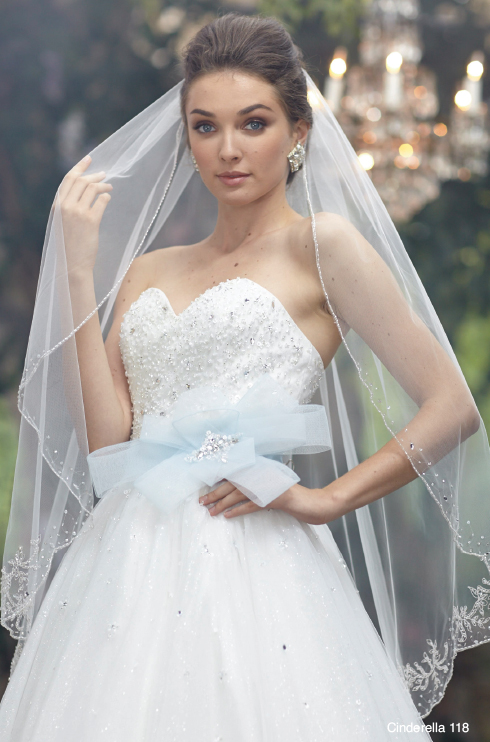
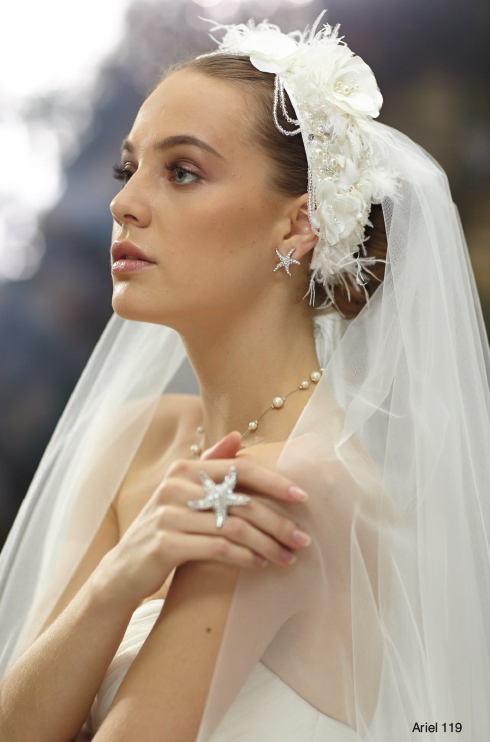
With a unique selection of jewellery, headpieces, wraps, sashes and veils, your stylist will personalize your look from head-to-toe. Contracted alterations are available at every location. Preview the Signature Store EXPERIENCE.
Our BrandsThe Alfred Angelo bridal COLLECTION features elegant styles from sexy mermaids to opulent ball gowns. Lace, satin, taffeta and organza silhouettes are designed to flatter your shape and priced to keep you on budget. Styles can be customized with a longer train or a sash to make it uniquely yours.
BRIDAL GOWNS are available in sizes 0 to 26W in short, standard or extra length to beautifully fit women of any sizes.
Your bridal party can try on Dream in Colour BRIDESMAID DRESSES in a wide range of sizes and colours. We offer every look from traditional to trendy, long or short, and in 50 fashionable colours, so your bridal party is sure to find the perfect style.
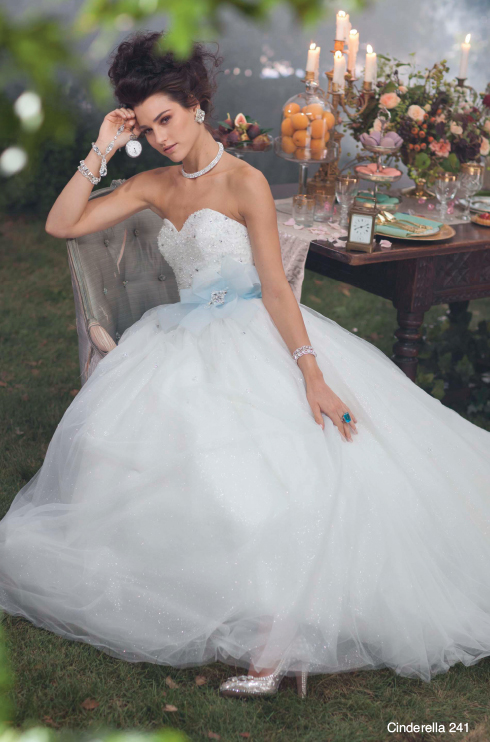
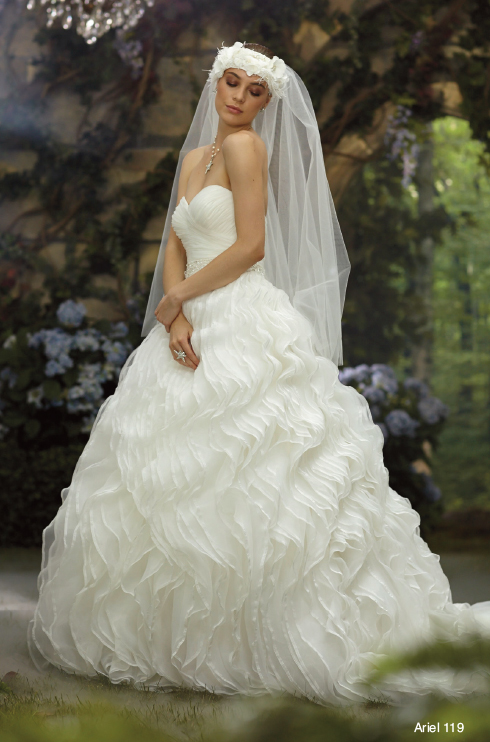
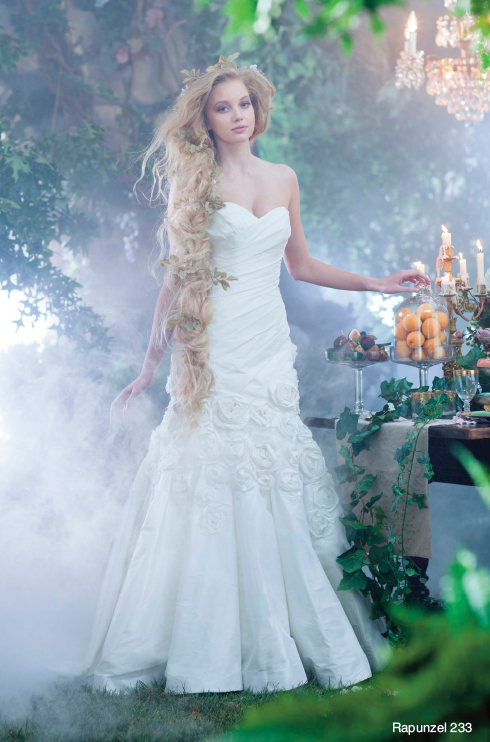
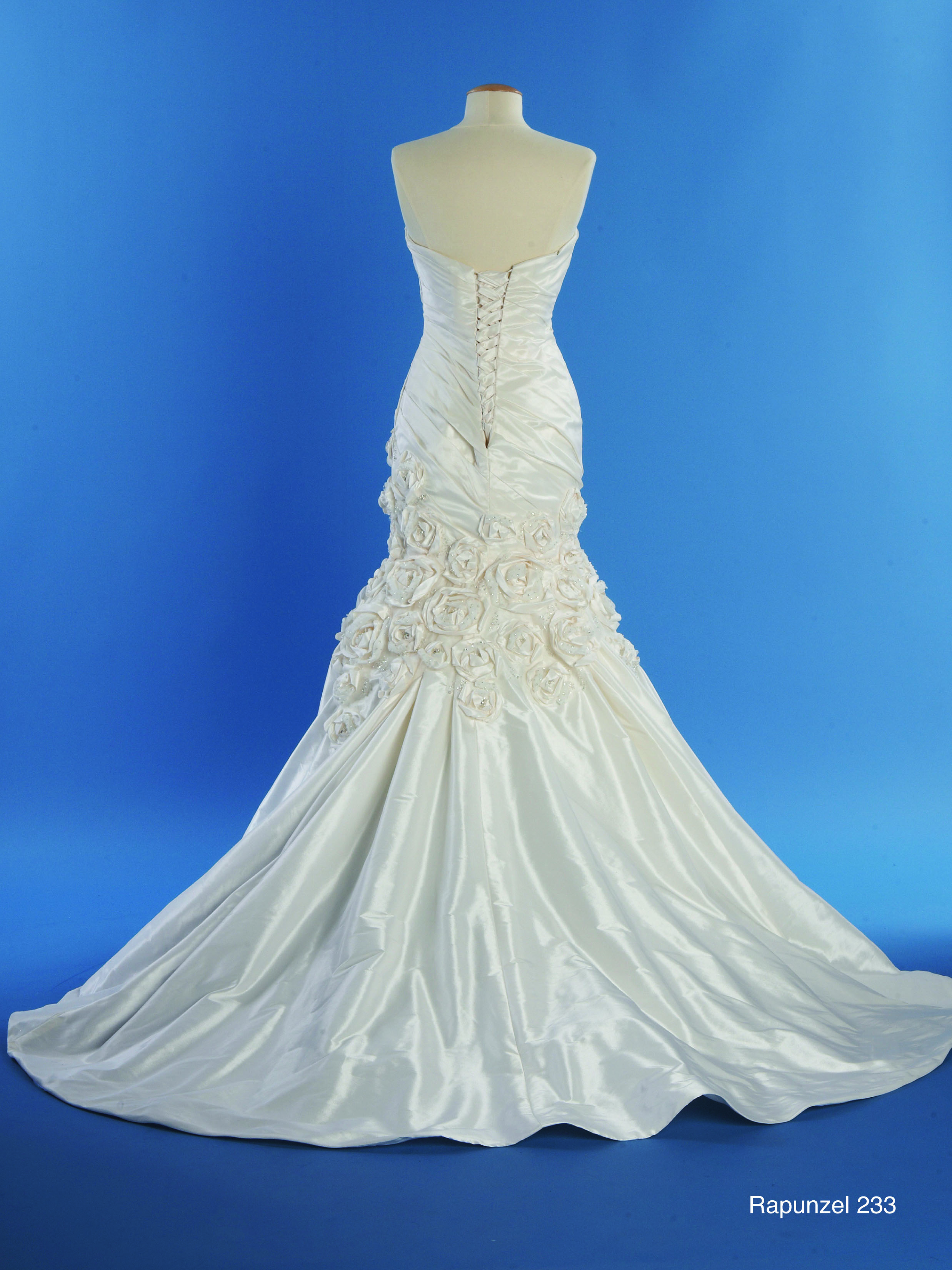
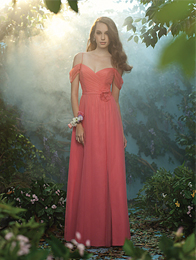
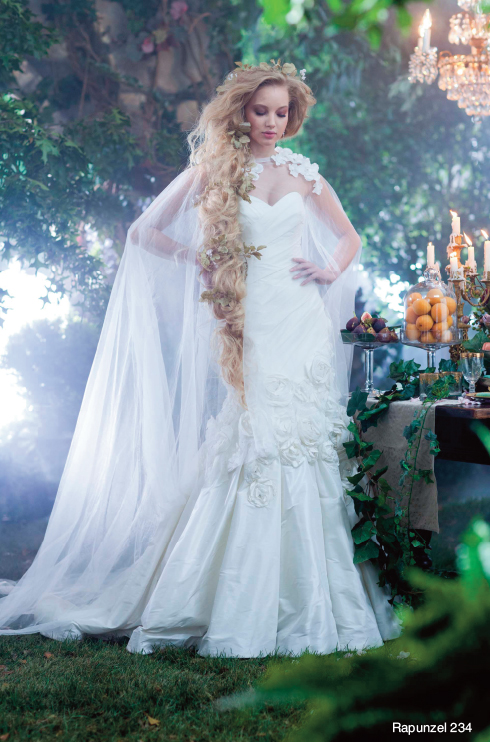
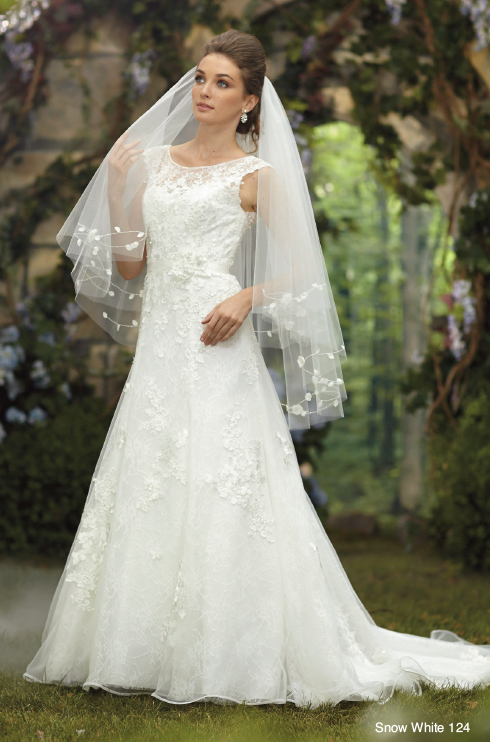
The Disney Fairy Tale Wedding by Alfred Angelo bridal COLLECTION is perfect for the princess in each of us. Classic Disney tales inspired romantic dresses you and “your prince” will love. And for the “ladies in waiting,” our Royal Maidens and Royal Blossoms collections complete the fairy tale bridal party.
The Modern Vintage by Alfred Angelo bridal collection is where old world elegance meets today’s style, combining lace, soft net and vintage details. Soft net dresses for bridesmaids come in 15 vintage SHADES.
And if luxury and exclusivity is what you crave, you’ll love Alfred Angelo Sapphire and Private Collection. Dramatic styling and sparkling embellishments transform luxe fabrics into breath-taking gowns. Combined with the Alfred Angelo Luxe Taffeta bridesmaid COLLECTION, your luxury wedding is nothing short of extraordinary. 

← Back

Thank you for your response. ✨

We always talk about Love here are 5 Financial Benefits of Marriage

New Alfred Angelo Bridesmaid dresses 2014-20% off

20% off New Bridesmaid Dresses from Alfred Angelo 2014

Lacey Joys Wedding Boutique-10 minutes from the NEC

Open Late nights and weekends

Call 07944633620 or 07831125703 to book appointment only

Official Alfred Angelo stockist

Daddy’s Little Girl or Not


Image


HOW FATHERS INFLUENCE DAUGHTERS

A girl’s father is one of the most influential people in her life, from infant to toddler to tween to teen. Learn why Dad has such a big impact on his little girl’s development into a strong, confident woman.

A father’s influence in his daughter’s life shapes her self-esteem, self-image, confidence and opinions of men. “How Dad approaches life will serve as an example for his daughter to build off of in her own life, even if she chooses a different view of the world,” says Michael Austin, associate professor of philosophy at Eastern Kentucky University and editor of Fatherhood – Philosophy for Everyone: The Dao of Daddy.

“What matters in the father-daughter relationship is that Dad seeks to live a life of integrity and honesty, avoiding hypocrisy and admitting his own shortcomings, so that she has a realistic and positive example of how to deal with the world. He should try to model a reflective approach to life’s big questions so that she can seek to do the same,” he adds.

Dads and daughters: From infant to toddler

We now live in a culture where Dad is an equal partner in care giving. From day one, dads are encouraged to be hands-on, changing diapers, giving baths, putting Baby to sleep and calming her cries. That presence and effort is the beginning of a very important relationship.

“Dads need to spend time with their infant daughter.”

According to Austin, this quality time together is crucial at all stages of a girl’s life. “Dads need to spend time with their infant daughter, taking care of her physical needs and supporting her Mom,” he explains. And once the little lady starts toddling around, “[i]t’s essential that Dad gets down on the floor — on her level — and plays with her,” Austin says.

Fathers and daughters: From tween to teen

It’s those pesky “hormonal” years that can often have dads shying away from their moody and sometimes standoffish daughter. When there’s a tween girl in the house, “[d]ads should focus on cultivating a trusting relationship so that their daughters feel secure talking with them about what’s going on in their lives,” Austin explains. “When necessary, dads should apologize and ask for forgiveness, as this both shows respect and love to our daughters and heals the hurts that are inevitable in daily life together.”

As a girl continues to grow and her teen years become fraught with complicated issues, dads should continue to work on building a trusting relationship, give affection and support her as she learns more about who she is and what kind of person she wants to become, Austin says. “It’s imperative that, no matter what, dads avoid the temptation to pull away or withdraw during this sometimes challenging stage of growing up.”


A father’s influence on a daughter’s self-image

A dad’s involvement in his daughter’s life is a crucial ingredient in the development of a young woman’s self-esteem. Austin identifies positive elements of “common sense” parenting for dads so they can help support their daughter’s self-image and curb any possibility of low self-esteem: Verbal encouragement, being consistently present in her life, being alert and sensitive to her feelings, taking time to listen to her thoughts and taking an active interest in her hobbies. “It’s important to actually do these things, which can sometimes be quite challenging,” Austin adds. Direct involvement and encouragement by her father will help diminish a girl’s insecurity and increase her confidence in her own abilities.

How dads influence their daughter’s relationships

The type of men that women date and have long-term relationships with are also directly related to the kind of relationship a girl has with her father. Obviously, the hope is that the father figure in a girl’s life will aim to skew that young lady’s opinions of men in a positive way. “He must, first and foremost, treat his daughter with respect and love. Whether or not he is married to or still together with his daughter’s mom, showing respect to her mother is essential as well,” explains Austin. “He must also value women as human beings, and not as persons to be used. Daughters will see what their dads believe about women by how they value and respect women, or by how they fail to do so.”

Dr Meg Meeker, author of Strong Fathers, Strong Daughters, tells Rebecca Alexander how we can recognise our father’s significance, and how to improve adult father-daughter relations. 

How does our relationship with our father shape us, in contrast to the mother-daughter relationship?
Your father’s character, and his relationship with you, influences your identity strongly. It influences your ability to love and to trust, and the growth of a healthy sexuality and body image. We’ve found that it’s fathers who can really help a girl overcome an eating disorder, even more so than her mother. The relationship with your mother affects many aspects of your character and emotional life, but the difference with your father is the impact he has on your identity, and the power he has to improve your confidence and the way you see yourself.

Does this affect our relationships with other men?
A daughter’s first bonding with any man is with her father, and that imprints on her so strongly that any later relationships with men are filtered through that experience. We often repeat what we know rather than what we want: we need ‘familiar’, even if it’s unhealthy. We subconsciously gravitate towards a man who treats us like our father treated our mother, or us. So if your father wounded you somehow, you may gravitate towards unhealthy relationships.

How can we improve communication with our father?
Both daughter and father are uncomfortable with the fact that they can’t understand each other’s thought processes. Don’t expect your father to relate to you as another woman would. We set our husbands and fathers up to fail because we want them to respond with empathy as a girlfriend or as a mother does, and they can’t. Yet we can still have a very close relationship with them. Men understand love and trust, self-respect, self-esteem and intimacy. They just express it differently.

Why are there areas where we always seem to clash with our father, even as adults?
There will be patterns. Perhaps every time you talk about a particular issue, he treats you like you’re 10, or he always brings up how he wanted you to get a PhD in English Literature. It’s usually a control issue. He wants to feel like a successful father, and he may feel he failed you. But, usually, his expectations and desires don’t have anything to do with you: it’s because he really wanted that PhD. The trick is to recognise that, and learn to identify when he starts baiting you, so you can leave the conversation.

Fathers may want to be involved in our adult lives, but come across as needy or controlling. What can we do about it?
When a woman has a family of her own, her husband and children have to come first, and that’s painful for her father. He may feel that he needs something from his daughter that really she can’t give him. It’s not appropriate for you to fill the role of wife or mother to him. I’m not saying that a daughter shouldn’t care for her father, but you need to decide on your own terms about how much you can let your father in. Otherwise everybody ends up miserable.

Some women have never felt close to their fathers, and eventually stop feeling the need for that closeness. Should they still try to bridge that gap, and is it possible?
Yes and yes. In your thirties and forties, you need to understand that your relationship with your father is born out of a primary need that he has to love you, and you have to love him. If a daughter is very emotionally distant from her father, the chances are there’s a history of some real hurt there. You may think it’s no longer significant, but, deep down, you are probably very interested because the part of you that didn’t get the love, closeness, trust and encouragement from your father that you desperately needed is still there, even if you pretend otherwise. Establishing a healthy, adult relationship with your father soothes that hurt, albeit subconsciously.

How can we do this?
The most important thing is for you to relate to your father as one adult to another. If you can objectively look at your father as a man who, for some reason, didn’t have the ability to love you or to communicate well, and approach him as an adult, you can embrace him better. You need to be able to acknowledge your pain, rather than bury it, but also to stop expecting your father to heal those hurts.

What if our fathers are unreceptive to our overtures?
That’s very difficult. There are some men who, because of their own life experiences, have shut down. If you reach out to your father and he doesn’t respond, try to think, ‘This isn’t about me, this is my father’s stuff.’ A 15-year-old girl can’t do that. Even an 18-year-old girl can’t do that. But an adult daughter can.

There is a point when you have to say, ‘There’s nothing more I can do.’ It’s a painful reality for some women that their father is truly incapable of having a relationship. In such a case, you have to face that and grieve it as a significant loss. Even as an adult, you can’t change your father.

But I hope women can see that if they didn’t have a great relationship with their father, it doesn’t mean their life is ruined. The truth is, all fathers disappoint their daughters, but that’s OK. It’s about understanding what needs you had filled or didn’t have filled by your father. You need to acknowledge what was missing, and find elements in other relationships – with your partner, your siblings, your mother, your own children – that make you feel whole. We can still live good lives, even if our father was less than perfect.


The History of the Disney Princesses in relation with The Alfred Angelo Bridal Disney Range

  Disney Princess is a media franchise owned by The Walt Disney Company. Created by Disney Consumer Products chairman Andy Mooney in the late 1990s, the franchise features a line-up of fictional female heroines who have appeared in various Disney franchise.

The franchise doesn’t actually include all noted princesses from any Disney media as its name suggested, but only certain members are commonly used, mainly from animated films. The eleven current members of the franchise are Snow WhiteCinderellaAurora,ArielBelleJasminePocahontasMulanTianaRapunzel and Merida.[1][2] The franchise has released dolls, sing-along videos, apparel, home decor, toys and a variety of other products[3] featuring the Disney Princesses.

ImageImageImage

History and conception

“Standing in line in the arena, I was surrounded by little girls dressed head to toe as princesses…They weren’t even Disney products. They were generic princess products they’d appended to a Halloween costume. And the light bulb went off. Clearly there was latent demand here. So the next morning I said to my team, “‘O.K., let’s establish standards and a color palette and talk to licensees and get as much product out there as we possibly can that allows these girls to do what they’re doing anyway: projecting themselves into the characters from the classic movies.'”

—Mooney, on his creation of the Disney Princess franchise as reported by The New York Times.[4]

Former Nike, Inc. executive Andy Mooney was appointed chairman of The Walt Disney Company‘s Disney Consumer Products division in the late 1990s.[4][5] While attending the his first Disney on Ice show, Mooney noticed that several young girls attending the show were dressed in princess attire that were not authentic Disney products.[6] “They were generic princess products they’d appended to a Halloween costume,” Mooney told The New York Times. Concerned by this, Mooney addressed the company the following morning and encouraged them to commence work on a legitimate Disney Princess franchise in January 2000.[4]

The original line-up consisted of princesses Snow WhiteCinderellaAuroraArielBelle,JasminePocahontasMulan and Tinker Bell, four of whom are royal by blood, two whom have married into royalty, and two others who fit in the “princess mythology.” However, Tinker did not fit and was removed from the line-up. This was the first time the characters would be marketed in a separate franchise than their original films. Mooney decided that, when featured on marketing advertisements such as posters, the princesses should never make eye contact with each other in an attempt to keep their individual “mythologies” intact. “[Each] stares off in a slightly different direction as if unaware of the others’ presence.”[4]Image

Image

Image

Image

Image

Image

Image

Despite limited advertising and no focus groups, the various Disney Princess items released became a huge success.[4] Sales at Disney Consumer Products rose from $300 million in 2001 to $3 billion in 2006.

Tiana, officially on March 15, 2010, became the first additional character to the Princess franchise taking Tinker Bell’s short-lived place as the ninth member. Her coronation took place at the New York Palace.[7] Rapunzel was “coronated” and officially inducted into the Disney Princess franchise on October 2, 2011 at Kensington Palace in London, England.[8] On May 11, 2013, Disney officially added the first Pixar character Merida as the 11th Princess to the franchise in a coronation ceremony at in front of Cinderella Castle at the Magic Kingdom, Disney World.[1]Image

Unconfirmed reports in early 2014 state that Anna and Elsa from the Disney film Frozen, will be added to the Disney Princess franchise as the twelfth and thirteenth princesses in 2014, making Frozen the first Disney film to feature two Disney princesses.[9]

Disney Princesses

Originals

Snow White

Snow White is the first and original Disney Princess. A main character in Walt Disney Animation Studios‘ first animated feature film Snow White and the Seven Dwarfs (1937), Snow White is a beautiful young princess born with skin as white as snow, hair as black as ebony, and lips red as the rose. She is forced to seek refuge in the home of the seven dwarfs, where she hides from her evil stepmother, The Queen, who is jealous of Snow White’s beauty and seeks her death. Snow White is often described as a kind, optimistic, and happy person who sees the good in everyone. Originally voiced by Adriana Caselotti, she is based on the heroine of the German fairy tale Snow White (1812) by the Brothers Grimm. She has also been voiced by Mary Kay Bergman, Carolyn Gardener, and most recently Katherine Von Till.

Cinderella

Cinderella is the second Disney Princess and the title character in Disney’s 12th animated feature film Cinderella, released in 1950. She is often considered the “Leader of the Disney Princesses”. Forced into servitude by her evil stepmother and cruel stepsisters, Cinderella dreams of going to the ball. When all seems lost, her fairy godmother allows her to attend, where she meets and falls in love with the Prince. Cinderella is based on the heroine of the French fairy tale Cinderella by Charles Perrault. Originally voiced by Ilene Woods, in recent animated features she is currently voiced by Jennifer Hale. In the original movie, Cinderella’s hair was intended to be more of a strawberry-blonde color, but today she is depicted as having blonde hair.

Aurora

Aurora, originally voiced by Mary Costa, is the third Disney Princess. She first appeared in Disney’s 16th animated feature film Sleeping Beauty (1959). The motion picture is adapted from the French fairy tale The Sleeping Beauty by Charles Perrault (1697), from the German fairy tale Little Briar Rose (1812) by The Brothers Grimm and from The Sleeping Beauty ballet by Pyotr Ilyich Tchaikovsky (1890). Aurora has hair of sunshine gold, lips that shame the red rose and is often described as beautiful, kind, shy and sophisticated. She is also a hopeless romantic. At first, she is seen as a little naive and insecure as a result of being sheltered for most of her life, but unlike Snow White, she is somewhat pluckier and more opinionated. In later media, she is shown to have matured and become more self-assured, independent and confident. She was later voiced by Erin TorpeyJennifer Hale and is currently voiced by Kate Higgins.

Ariel

Ariel is the fourth Disney Princess, as well as the title character in Disney’s 28th animated feature film The Little Mermaid, released in 1989. Daughter of King Triton and the youngest of seven sisters, Ariel is a princess in the undersea kingdom Atlantica (according to later media in the franchise). Fascinated by the human world and tired of life under the sea, Ariel makes a deal with Ursula the sea witch, trading her voice in return for humanity. Based on the Danish fairy tale The Little Mermaid by Hans Christian Andersen, Ariel is voiced by Jodi Benson. The character was inspired by the protagonist in Andersen’s story, but was developed into a different personality for the film.[10] Ariel is fiercely independent and a dreamer, which is notable in her collecting of human world treasures in her private grotto. She is bold and a risk-taker. Ariel is distinguished by her bright red hair, purple/lavender seashell bra and green tail.
Belle

Belle is the fifth Disney Princess, first introduced in Walt Disney Picture’s 30th animated feature film Beauty and the Beast (1991). Based on the heroine of the French fairy tale byJeanne-Marie Le Prince de Beaumont, Belle was created by screenwriter Linda Woolverton[11] and originally animated by James Baxter[12] and Mark Henn.[13] Originally voiced byPaige O’Hara, Belle is currently voiced by Julie Nathanson.

Frustrated with her provincial village life, book-loving Belle longs for adventure. When her father Maurice is imprisoned by a hideous beast, Belle sacrifices her own freedom in return for his. At first frightened by the Beast’s physical appearance and repulsed by his selfishness, Belle learns to appreciate him after he rescues her from a pack of hungry wolves, expressing her gratitude by tending to his wounds. While the Beast’s love for Belle gradually results in him adapting a more friendly and civil manner, Belle befriends him, eventually managing to fall in love with him by the time the last petal falls off an enchanted rose, which ultimately breaks a spell cast on him and transforms him back into a handsome prince.

Personality-wise, Belle has been regarded as an independent,[14] intelligent,[15] courageous[16] and headstrong,[17] as well as a feminist.[18] The character has been universally lauded by critics, garnering specific praise and recognition for her intelligence and bravery. The Los Angeles Times hailed Belle as one of the Disney Princesses responsible for “break[ing] the bonds of convention”.[19] The Globe and Mail praised the character, complimenting her intellect and labeling her the “main attraction of Beauty and the Beast“.[20]Entertainment Weekly highlighted the character’s independence, calling her “the hero” of the film and accrediting her with making Beauty and the Beast the best Disney Princess film.[21] The Washington Post described Belle as “more mature, more womanly and less blandly asexual” than previous Disney heroines.[22] The American Film Institute nominated Belle for its list of 100 Years…100 Heroes and Villains.[23] Belle remains the best-received Disney Princess to-date.

Jasmine

Jasmine is the sixth Disney Princess and the leading lady of Disney’s 31st animated feature film Aladdin (1992). Jasmine hungers for independence, tired of the restrictions laid before her by her father. She falls in love with Aladdin while he is disguised as a prince, after he takes her on a romantic ride on a magic carpet. Aladdin’s genie companion is summoned by Jafar, who uses the genie’s magic to tyrannically overthrow Jasmine’s father, the Sultan. Luckily, after Jafar’s defeat, the Sultan permits Jasmine to wed Aladdin despite his lack of royal heritage. Princess Jasmine is voiced by Linda Larkin, and her singing voice is provided by Lea Salonga (in the feature film) and Liz Callaway (in the direct-to-video sequel).

Jasmine is based on Princess Badroulbadour from the One Thousand and One Nights tale of “Aladdin and the Wonderful Lamp”.

Pocahontas

Pocahontas is the seventh Disney Princess and first appeared in Disney’s 33rd animated feature film Pocahontas (1995). Based on the Native American chief’s daughter,Pocahontas (c. 1595–1617), and the settlement of Jamestown, Virginia in 1607. Pocahontas is displayed as a noble, independent and highly spiritual young woman. She expresses wisdom beyond her years and offers kindness and guidance to those around her. An adventure and nature lover, in the film she appears to have shamanic powers since she was able to commune with nature, talk to spirits, empathize with animals and understand unknown languages. In the sequel, Pocahontas seems to have grown after hearing of John Smith’s assumed death. She keeps her independent spirit and playfulness, but is much more mature and self-assured than she was in the first film. During her stay in England, she nearly loses herself in the hustle and bustle of the new world and is almost turned into someone she’s not. But in the end she bravely intends to sacrifice herself for her people’s safety and returns to her homeland, finding herself, and love, once again. She was voiced by Irene Bedard while her singing was provided by Judy Kuhn.

Mulan

Fa Mulan is the eighth Disney Princess and first appeared in Disney’s 36th animated feature film Mulan (1998). The movie is adapted from the legend of Hua Mulan (386–536). Mulan, atypical and unlike most previous female roles, is courageous and more self-reliant. She also does not fit in with the expectations of a young Chinese girl of the time; despite her natural beauty, she is clumsy, outspoken, and independent rather than graceful, silent and demure. Her meeting with the matchmaker ended in chaos because of this, (with help from a certain cricket), and the matchmaker claimed that even though she had the looks of a bride, she would never find a match. However, her courage, intelligence, and determination helped her through her adventures, in which she disguises herself as a male soldier in order to fight in the Chinese army in place of her wounded father. She was voiced by Ming-Na while her singing was provided by Lea Salonga.

Additions

Tiana

Tiana, voiced by Anika Noni Rose, is the ninth Disney Princess character to be incorporated into the franchise, appearing in Disney’s 49th animated feature film The Princess and the Frog (2009). Her film is loosely based on the novel The Frog Princess by E. D. Baker, which is in turn based on the Brothers Grimm fairy tale The Frog Prince. Tiana is portrayed as being a hardworking, ambitious, and beautiful young woman who has no love interest (at the start of the film). Living in New Orleans, Louisiana, during the 1920s, Tiana strives to achieve her goal of opening her own restaurant (an ambition inspired by the accomplishments of real life restaurateur Leah Chase).[24] However, she is transformed into a frog after trying to break a spell cast by a Bokor on Prince Naveen that had changed him into a frog also. Throughout the film, the pair must embark on a quest to find a way to break the spell.

Rapunzel

Rapunzel is the tenth Disney Princess. First appearing in Walt Disney Picture’s fiftieth animated feature film Tangled (2010), Rapunzel was based on the heroine of the German fairy tale by the Brothers Grimm. Created by screenwriter Dan Fogelman, Rapunzel was originally animated by Glen Keane, and is voiced by recording artist and actress Mandy Moore. The character was “coronated” and officially inducted into the Disney Princess franchise on October 2, 2011 at Kensington Palace in London, England.[8][25][26]

A princess born with long, magical golden hair, Rapunzel, stolen from her parents at infancy, is raised by Mother Gothel, a vain woman who exploits her hair to remain young and beautiful. Incarcerated in an isolated tower for eighteen years, Rapunzel enlists the help of a wanted thief named Flynn Rider to see the floating lanterns in time for her eighteenth birthday.

Rapunzel is notably the first Disney Princess to appear in a CGI film, but is frequently revamped to a traditionally-animated design when appearing in merchandising alongside fellow, classically-animated Princesses.

The character has been generally well received by most critics. Particular praise was awarded to her spirited personality and contemporaneity. The Los Angeles Times described Rapunzel as “a very modern young woman”.[27] The New Yorker called Rapunzel a witty and intelligent character,[28] while USA Today wrote, “Rapunzel is more believable in her teenage histrionics” than previous Disney heroines.[29] However, some reviews, such as the two provided by Time Out, were less favorable in their opinions of the character, describing her as both a “bland”[30] and “synthetic” character.[31]

Merida

Merida is the eleventh Disney princess, first appearing in the Pixar film Brave (2012),[1] Voiced by Kelly Macdonald, the character’s singing voice is provided by Julie Fowlis. created by director and screenwriter Brenda Chapman. Merida is the 16-year old daughter of Queen Elinor, who rules the kingdom alongside King Fergus. Queen Elinor’s expectations of her daughter make Merida see her mother as being distant while also causing friction between the two. Despite Elinor’s desire to see Merida as a proper royal lady, Merida is an impetuous girl who wants to take control of her own destiny. She has honed her skill in archery, and is one of the most skilled archers ever seen. She is also skilled in sword-fighting and cross-country horse riding on her horse, Angus.

She is the first Disney princess in the line-up to not have a love interest in her film. She is also the first Pixar and the second CGI princess.

Reception

The Disney Princess franchise has received mixed reception from critics and customers, particularity feminists.

Tension has been present between the Disney Corporation and feminists ever since the release of Snow White and the Seven Dwarfs in 1937. The type of representations of women in Disney films reflect Walt Disney’s personal feelings about family life, which in turn also shaped the Disney Company. Another influence was the fact that Disney’s attitudes mirrored the patriarchal cultural beliefs of the 1940s about what roles women should play in society.[41]

On December 24, 2006, Peggy Orenstein published “What’s Wrong With Cinderella?” in The New York Times. In her article, Orenstein discussed her concerns about the effects of princess figures on young girls. Orenstein used the Disney Princesses specifically to present many of her points. Orenstein also noted the pervasive nature of Princess merchandise and that every facet of play has its princess equivalent.[4] Tamara Weston of Time magazine criticized the franchise, referring to the princesses as “damsels in distress” and negative role models for young girls.[42]

The introduction of different ethnicities in Disney animated features has also faced skeptical reactions, as well as criticism, from authors and media alike. An example is Princess Sofia in “Sofia the First: Once Upon A Princess”, presented as Disney’s first Latina princess. Dubious reactions to Disney’s statement about the Princess being a Latina and the lack of characteristics actually identifying her as such placed the studio under mild fire and fueled discussions in the blogosphere. Similar reactions were evident upon the release of “The Princess and the Frog” regarding the main heroine, Tiana.[43]


← Back

Thank you for your response. ✨


Alfred Angelo’s Disney princess Jasmine 2014

If I do marry, I want it to be for love.
―Princess JasmineImage

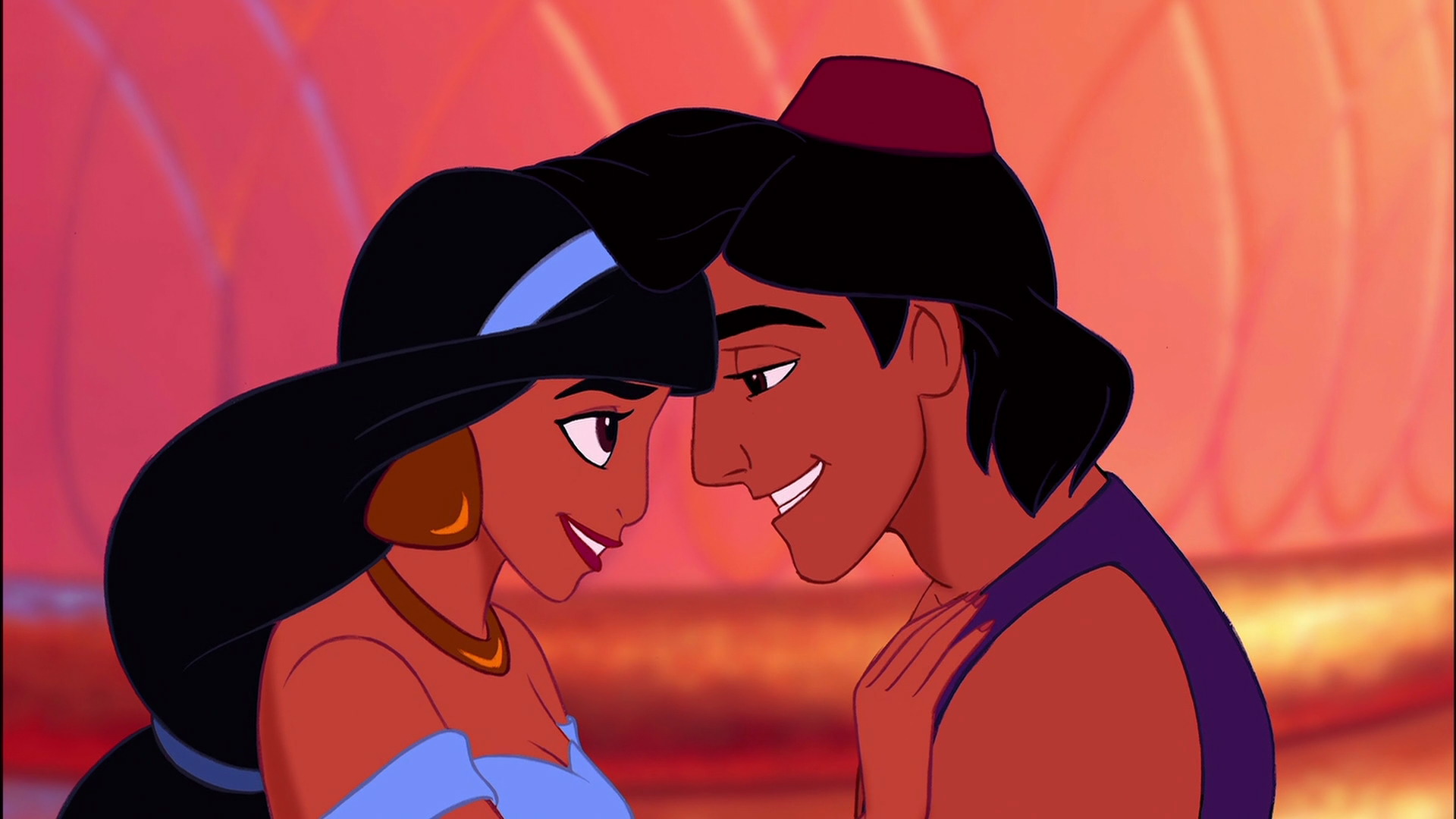
Princess Jasmine is the deuteragonist of Disney’s 1992 animated featureAladdinits 1994-96 sequels, and the 1994-96 animated TV series in the saga.  She is from the Middle Eastern kingdom of Agrabah and is the 6th official Disney Princess.

Jasmine is the daughter of the Sultan of Agrabah, and thus, is a Princess. Jasmine’s mother is rarely mentioned, and she is presumably dead. In the first film, Jasmine has become frustrated with the duties of being a princess, and longs for a life outside of the palace. This clashes with the fact that, according to the law, Jasmine must marry before her next birthday, which results in a problem because Jasmine wishes to marry for love rather than for wealth, glory and power. Jasmine is an official member of the Disney Princess franchise, and is so far the only Princess with an Arabian/Middle Eastern physical appearance.

Personality

Jasmine is free-spirited, and in many ways resembles the “rebellious princess” archetype. She is very pretty and expresses her feelings if she wishes to. Jasmine also never brings down anyone else and she never lets no one bring her down from doing what she wants.

She also cares very much for children as shown in the TV series in episodes like Do The Rat ThingWeb of FearFowl WeatherOf Ice and Men and The Ethereal where she comforts them, is sweet and nice to them and where saves their lives from any danger.

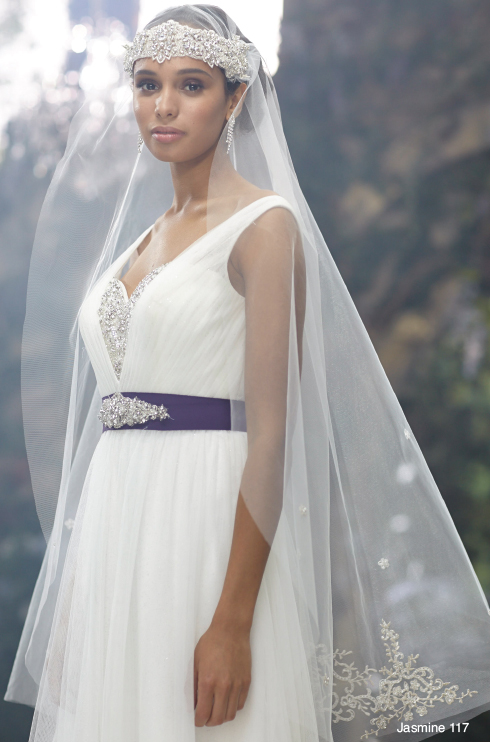
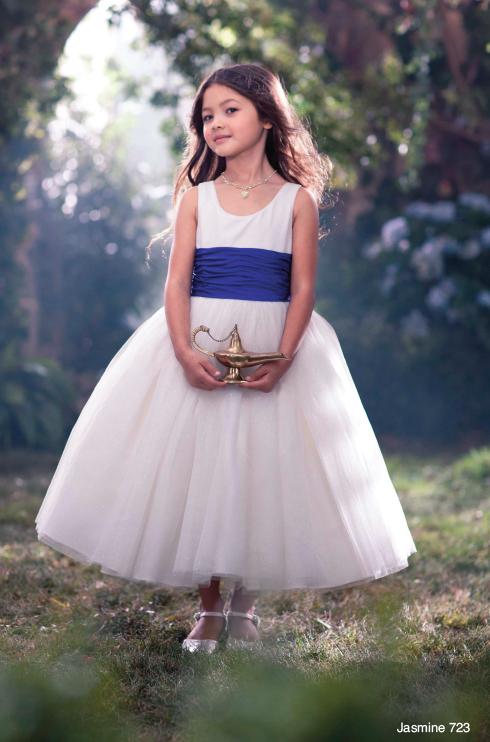
ImageAlfred Angelo’s Disney Princess Jasmine 2014

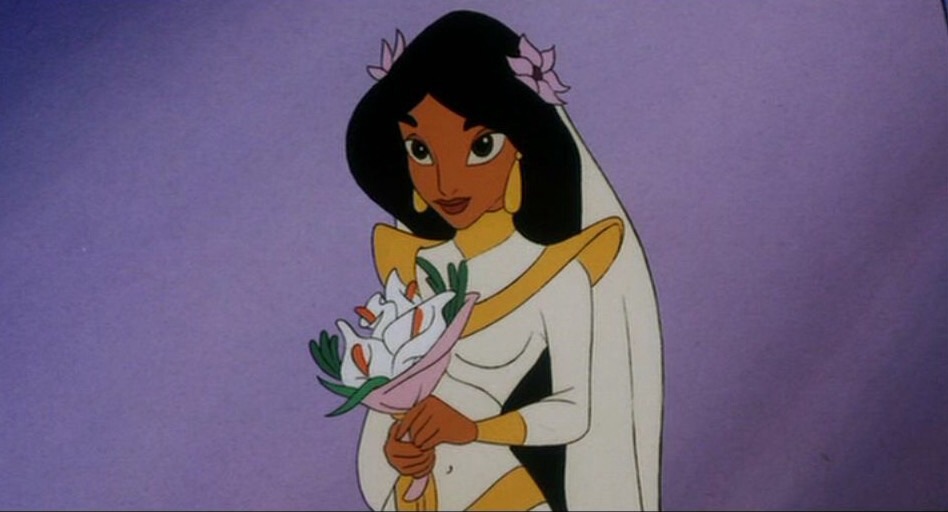
ImageAlfred Angelo’s 2014 Disney princess Jasmine Veil

ImageAlfred Angelo’s Disney Princess Jasmine Veil 2014

Physical Appearance

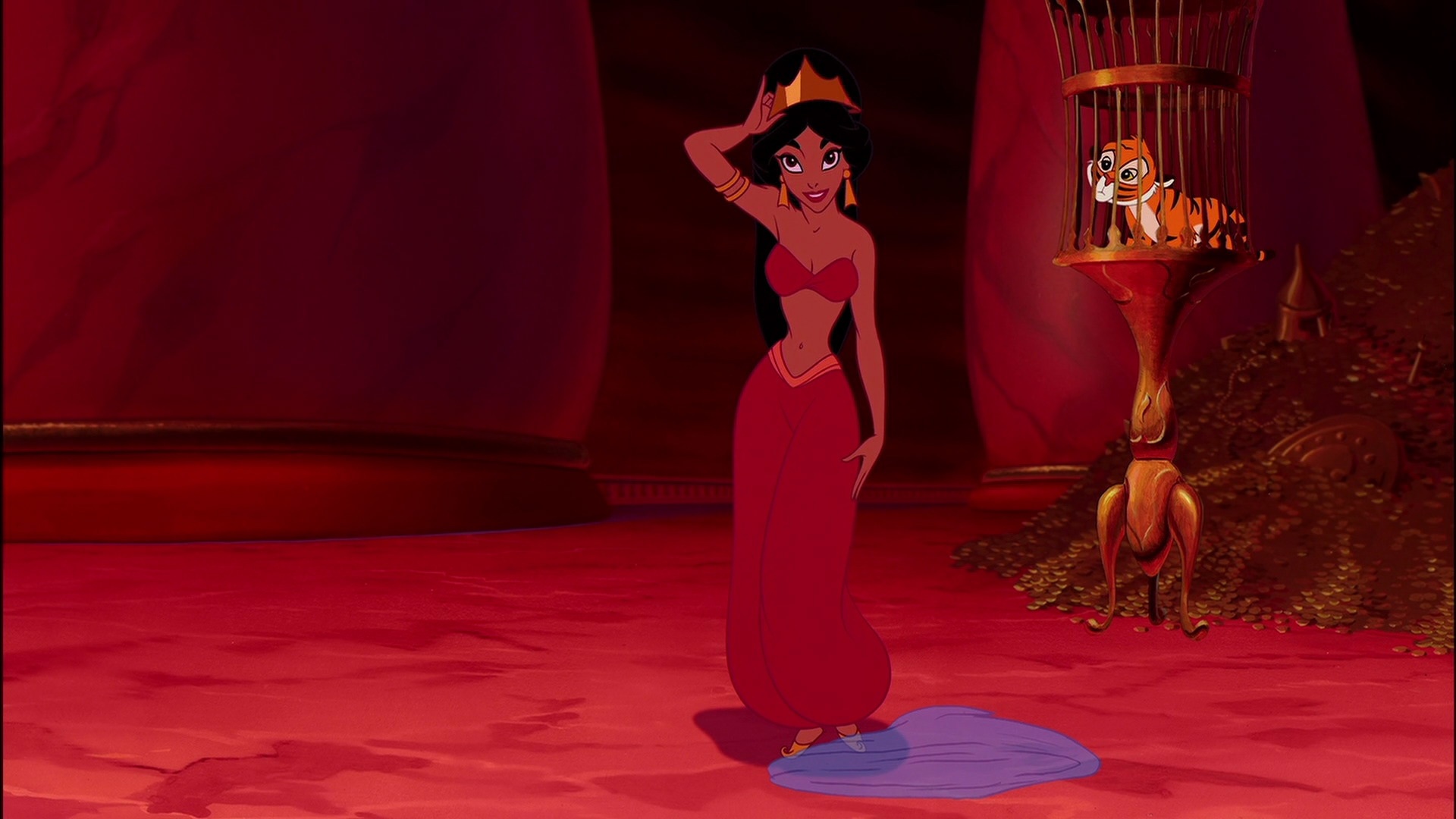
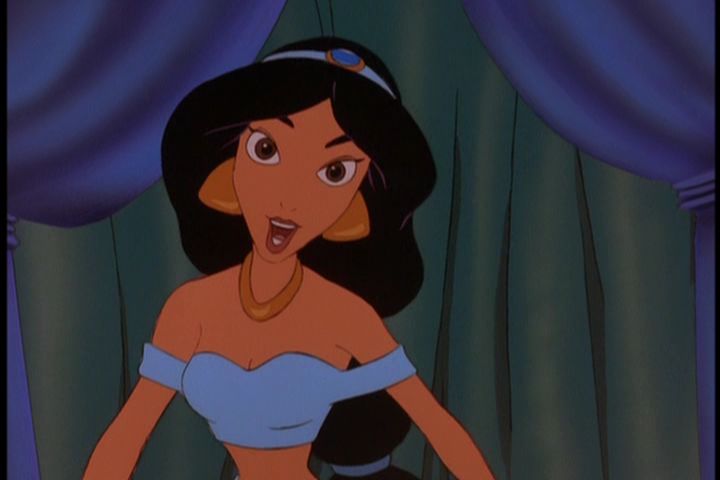
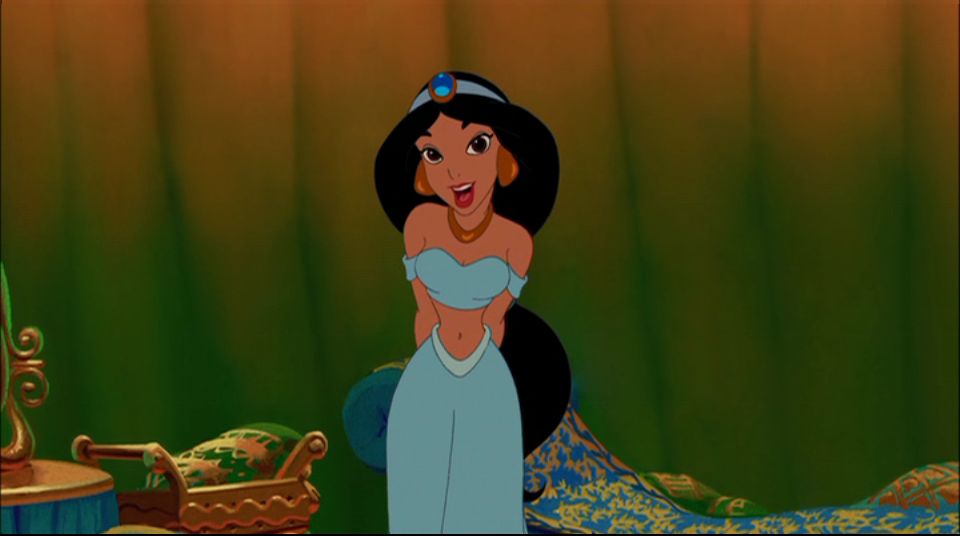
Jasmine is a very beautiful young woman with medium skin and long, lustrous black hair, big brown eyes, and a distinct hourglass figure. She normally wears her black hair in a ponytail, held together by 2 light blue bands. She normally wears a light blue tube top with loops for her arms, allowing her figure to be shown, and matching pants along with blue shoes. For formal occasions, she has a purple outfit that covers more of her skin and a hair accessory. When Jafar takes control of Agrabah for a short while, he makes Jasmine wear a red outfit with several golden accessories, such as a snake bracelet and gold earrings. Jafar later creates a gold crown for Jasmine from her shackles when he decides to make her his queen.

When Mirage tricks her into using a fake beauty potion, she begins turning into a lamia-like monster. Happening in steps, her legs transform into a tail, then all but her head is transformed into a humanoid reptilian body (arms still existing) with poisnous quills on her tail and red eyes with yellow slits. Finally, her hair turns into a cobra hood with her ears missing and patterns inside it that resemble her earrings.

Abilities

  • Intuitive Aptitude: Jasmine is quite intuitive, and she has described herself as a fast learner. After one demonstration from Aladdin, Jasmine was able to pole vault across a rooftop.
  • Hand-to-Hand Combat: In the series, Jasmine is shown to have excellent fighting skills, possibly learned by adventuring with Aladdin. She can hold her own in a fight, and displays some very impressive fighting skill in the television series.
  • Physical Strength: And despite her appearance, Jasmine has impressive physical strength, as she could push over a large statue in the third movie.
  • ImageAlfred Angelo’s Disney Princess Jasmine Blossom
  • Image
  • Appearances

    Aladdin

    Jasmine is the soon-to-be 16-year-old daughter of the Sultan of Agrabah. By law of the time, Jasmine must be married by a prince in three days before her birthday. The Sultan is angered and frustrated when she continues to reject suitors and angers one of them when she letsRajah attack him. She is unwilling to marry any of the princes her father suggests, as she wants to marry for love rather than for wealth and power, and would thus be treated as simply arm candy and as a man’s property (as women in most ancient cultures often were, except for Ancient Egypt, Ancient Sparta and the Later Middle Ages, for example). She continues with the distress that she never has had any real friends, save for Rajah, and that she hasn’t even been outside the palace walls. Eventually, Jasmine runs away from home, in the disguise of a peasant, but having never been outside the palace before, she inadvertently gets into trouble when she gives an apple to a young boy without paying for it.

    Before the merchant can punish her by amputating her hand, a street urchin named Aladdin quickly steps in and saves her by claiming that Jasmine is his mentally-ill sister. Jasmine plays along, pretending that she believes Abu to be the Sultan, and that a camel is her doctor. Aladdin leads Jasmine to his home, where they talk. Aladdin reveals his wish that he could be rich, while Jasmine wishes for freedom. They both come to realise they have a lot in common by feeling “trapped” in the life they were born into. Jasmine and Aladdin begin to show feelings for each other, but Aladdin is arrested by guards led by Razoul. Jasmine reveals herself to them and demands that they let Aladdin go, but Razoul explains that he is doing so on Jafar‘s orders.

    Jasmine confronts Jafar and demands that they release Aladdin, but he tells her that Aladdin has already been executed; Jasmine is left distraught and blames herself, realizing that she never learned his name. The Sultan soon learns of the matter, and chastises Jafar. Jasmine then points out that, even though she is forced to marry, she would be able to punish Jafar after becoming Queen – not knowing that Jafar was internally planning on making Jasmine his own queen.

    Aladdin-disneyscreencaps.com-7036.jpg
    A Whole New World

    Hey1234Added by Hey1234


    After Aladdin’s wish to become a prince is granted to him by the Genie, he visits Jasmine in the guise of ‘Prince Ali Ababwa’. She initially believes him to be just another arrogant suitor, after hearing ‘Prince Ali’ speak to the Sultan about his intentions to “win Jasmine.” After a rather disastrous meeting on Jasmine’s balcony, Aladdin is able to convince Jasmine to go for a ride on his Magic Carpet. During the ride, Jasmine falls in love with the disguised Aladdin, but Jasmine soon sees through Aladdin’s disguise, after noticing that Prince Ali had the same habits as the market boy she had met. Later, after carpet takes the two to watch some fireworks where she tricks him into revealing the truth. She is angered at the lie, but Aladdin convinces her that he sometimes dressed up as a commoner to “escape the pressures of palace life,” which she relates to. She is taken back to the palace and the two share a kiss.

    When Jasmine returns home she appears happy and expresses that to her father. However, she is told by her father that she is to marry Jafar. Jasmine is shocked, and attempts to tell the Sultan her decision to marry Prince Ali. When Jafar claims that the prince left, Aladdin suddenly appears, relating the news that Jafar had tried to kill him. When the Sultan agrees with Jafar that Aladdin is lying, Aladdin realizes that Jafar is hypnotizing the Sultan and breaks the spell by smashing his magic staff. Jafar is revealed as a traitor and forced to flee. The Sultan then notices Aladdin and Jasmine in each other’s arms, and realizes that Jasmine has chosen a suitor.

    Jasmine announces her decision to marry Aladdin, the next day; however, Jafar takes over Agrabah by stealing the lamp from Aladdin and wishing to be sultan. He commands Jasmine and Sultan to bow to him but she hastily refuses. Jasmine learns of Aladdin’s true identity, after Jafar uses his magic to forcefully change Aladdin back to a peasant.

    Aladdin-disneyscreencaps.com-9051.jpg
    Jasmine as Jafar’s slave.

    Hey1234Added by Hey1234


    After sending Aladdin to the ends of the Earth, Jafar makes Jasmine his personal slave. She is distressed in that Iago is torturing her father and begs Jafar to make him stop. He then offers her the chance to become his Queen, citing her beauty and creating a crown for her from her chains with a wave of his hand. She hotly refuses and splashes a cup of wine in his face. He is about to punch her in the face when he comes up with a more gentlemanly idea. He commands the Genie to grant his wish that Jasmine fall in love with him. After seeing that Aladdin has returned, Jasmine distracts Jafar by pretending that she is in love with him, so that Aladdin can get the lamp. She throws him many compliments of everything: of his height, skin, beard and even his gapped teeth. When Aladdin’s cover is about to be blown from a fruit bowl that fell during a scuffle between Abu and Iago, Jasmine becomes desperate and kisses Jafar to keep him distracted (much to the disgust of Aladdin, Abu and Iago). This was a successful ruse, until Jafar sees Aladdin’s reflection in Jasmine’s crown, and attacks him. When Jasmine tries to grab the lamp, Jafar imprisons her in an hourglass, where she is almost suffocated by sand before Aladdin rescues her.

    Aladdin-9956
    Jasmine and Aladdin officially get together.

    ByzantinefireAdded by Byzantinefire


    Aladdin ultimately defeats Jafar and has him imprisoned in a lamp of his own (as Jafar had wished to be an all-powerful Genie). After seeing that Jasmine is in love with Aladdin, and noting his valor, the Sultan changes the marriage law. Instead of being forced to marry a prince, she can marry whomever she deems worthy. Upon hearing this, Jasmine happily chooses Aladdin and the two ride off on the magic carpet to celebrate their engagement.

    The Return of Jafar

    Thereturnofjafar140
    Jasmine in The Return of Jafar.

    DTierney30Added by DTierney30


    In the first direct-to-video sequel The Return of Jafar, Jasmine begins to question her choice in Aladdin, wondering if he was trustworthy enough after he defends Iago, Jafar’s former pet parrot who had terrorized her father. She quickly gets over these questions with Iago’s help, when he reminds her of how much she loves Aladdin, and using reverse psychology and calling her bluff in the song “Forget About Love”.

    Jasmine apologizes to Iago soon after when he suggests Aladdin and the Sultan go for a carpet ride together (which is in fact a trap), and her kindness almost prompts Iago into a confession, but Jafar scares him into silence before Iago can say anything further.

    She is later captured by Jafar, who magically impersonates her in an attempt to have Aladdin killed off. It seems to be primarily her disappointment and anger at Iago which finally prompts him to help free Genie. Jasmine finally accepts Iago as a friend after he helps defeat Jafar. At the end of the film, Jasmine goes with Aladdin to see the world.

    Aladdin: The Series

    Sir204
    Jasmine in the Aladdin TV series.

    Hey1234Added by Hey1234


    Jasmine aids Aladdin, Abu, Carpet, Iago and the Genie in their adventures, often proving herself to be an invaluable aide in their adventures, and not just a damsel in distress. She also has several episodes (including “The Garden of Evil”, “Forget Me Lots“, “Do the Rat Thing“, “The Secret of Dagger Rock” and “SandSwitch“) in which her personality, skill, intelligence and loving heart are focused on. Her relationship with Aladdin develops during this series and culminates in their marriage in the third movie.

    In the series, Jasmine is shown to have excellent fighting skills, possibly learned by adventuring with Aladdin. When scorned or threatened, Jasmine can become quite enraged at her offender, including Aladdin. In one episode she viciously attacked Abis Mal after learning she was used for an evil scheme of his. Of all the members of the group, Jasmine has made the most daring sacrifices often giving up her freedom to save her loved ones or even complete strangers, a good example would be in “The Ethereal“, when she sacrificed herself to save a boy named Tanti. She once commented on this in the episode “Bad Mood Rising“, telling Aladdin “I was raised a princess, Aladdin, and a princess knows, the needs of the people outweighs her own.”

    Aladdin and the King of Thieves

    Kingofthieves153
    Jasmine in her wedding dress, as seen in Aladdin and the King of Thieves.

    ByzantinefireAdded by Byzantinefire


    Finally, in the third direct-to-video movie, Aladdin and the King of Thieves(1996) she and Aladdin are finally about to wed, when their wedding is interrupted by the Forty Thieves. After learning what they were after, Aladdin finds out from the Oracle his father Cassim is still alive. Jasmine convinces him to seek out his father, and that their wedding can be delayed a little bit longer.

    While he is away, Jasmine grows worried and Genie cheers her up by dressing her in bridal outfits (And comically posing as many iconic celebrities and movie characters, one of which Robin Williams himself played the role of). When Aladdin returns with Cassim, she and the Sultan take an immediate liking to him. However, he later tries to steal the Oracle, and is put in prison; Aladdin helps him escape, but comes back to face his punishment. Jasmine and the Genie convince the Sultan that he helped his father out of love. At that moment, Iago (who was with Cassim) returns, telling them that Cassim has been captured by Sa’luk and the remaining Thieves.

    Jasmine goes with Aladdin to rescue his father, and afterward they return for their wedding, which Cassim attends from the shadows. They go for a ride on Carpet, waving good-bye to the Merchant from the first film and Iago and Cassim as they ride off. The two then kiss passionately.

    Hercules and the Arabian Night

    Jasminearabiannights
    Jasmine in “Hercules and the Arabian Nights”.

    Hey1234Added by Hey1234


    Jasmine appears in the Hercules: The Animated Series crossover alongside Aladdin, Carpet, Genie and Abu; In which Hades and Jafar team up with each other to destroy their respective enemies (Herculesand Aladdin) This episode is stated to take place after Aladdin and the King of Thieves; when Phil comes on to the beautiful princess, she abruptly brushes him off, telling him, “I’m married.”

    House of Mouse

    Jasmine makes numerous cameos in House of Mouse. In “Ladies Night”, Jasmine comments to Ariel on Clarabelle’s dance of seven veils by saying “She looks like a cow.” More commonly, Jasmine can be seen in crowd shots sitting with her father. She was seen at the beginning of “Goofy’s Valentine Date” kissing Aladdin and shocked by Mickey’s light show in “Rent Day.” In Mickey’s Magical Christmas: Snowed in at the House of Mouse, she and Aladdin were singing alongside other guest while being trapped inside the club.

    The Lion King 1½

    Silhouettes of Jasmine and Aladdin are seen flying into the theater on Carpet to watch the film with a cast of other Disney characters during the finale.

    Disney Princess Enchanted Tales: Follow Your Dreams

    Enchantedtales 723
    Jasmine in Disney Princess Tales: Follow Your Dreams.

    Hey1234Added by Hey1234


    She also appears alongside Iago, Abu and Carpet in the Disney Princess Enchanted Tales: Follow Your Dreams, the “More than a Peacock Princess” segment. In the segment, Jasmine is tired of her life as a princess and wishes for more responsibility. After speaking with her father, Jasmine is given a job as an assistant teacher (which they call “Royal Assistant Educater”) at the Royal Academy alongside her cousin Sharma. After Sharma runs out of the school in distress Jasmine decideds to take on her class on her own Though Jasmine is thrilled at first, she becomes frustrated with her unruly pupils. They do chaotic things such as throw books, chase Jasmine around with a snake and draw on walls. Jasmine decides to give up. That night Jasmine, is advised by her lady-in-waiting, Aneesa, to persevere and be patient, as then she will be able to do anything she wants. The next day, the Sultan’s prized but aggressive horse named Sahara is missing from the stables. Jasmine decideds to go on search for the horse in order to prevent her friend Hakeem, from getting fired. Using her intelligence she and Iago are able to find out Abu accidently let Sahara go. She recruits Aneesa to stall the Sultan from going to see his horse. After tracking down.

    Sahrara at an oasis in the desert she attempts to tame the horse from the first time, and sings the song “I’ve got my eyes on you” in order to sooth him. After many hours she finally tames him, making her the only person to ever tame him besides her mother. Jasmine is able to return the horse to the palace. She later goes back to the school and the students are much more respectful beacause they are impressed that Jasmine tamed Sahara. She successfully teaches the class.

    Kilala Princess

    Kilala-Princess-kilala-princess-7030360-1025-jasmine
    Jasmine in Kilala Princess.

    Hey1234Added by Hey1234


    The manga series Kilala Princess. While on their way back from their trip, Jasmine and Aladdin’s trip is cut short by the sudden arrival of Kilala, Sylphy and Rei. Unable to carry five people at the same time, they are forced to walk back to Agrabah. Upon arriving in the city, the guards of Agrabah are informed to arrest Aladdin and the trio for kidnapping the princess. The girls make their escape while the boys hold off the guards. While helping Sylphy, Jasmine accidentally falls off the roof and gets captured by the trio’s enemy, Valdou. After a long struggle for Aladdin’s magic lamp, Kilala uses it to wish for knowledge of Jasmine’s location. They find the princess and unharmed. They take her back to the palace, and Jasmine tells her father, the Sultan, about her new friends. The Sultan gives Kilala a giant diamond as a token of friendship; but she later gives it back. Jasmine then trades it with a flower that she received from Aladdin as her token of friendship. It later turns into an amethyst. Jasmine is last seen witnessing Kilala receive her magic gem: an emerald.

    Sofia the First

    Sofia-the-first-two-to-tangu-2
    Jasmine as she appears in Sofia the First.

    Alex2424121Added by Alex2424121


    Jasmine made an appearance in the first season episode of Sofia the First, “Two to Tangu” on June 14, 2013. She appeared in her new design. Jasmine helped Sofia and Amber tame a wild, flying carpet by teaching them not to be afraid. She sang a new song with them, “The Ride of Our Lives.” She is the second Disney Princess to meet Sofia, the first beingCinderella.

    Interestingly, while Princess Jasmine sports her new redesigned look, her old style of ponytail, that was sectioned into two, (instead of the new regular-looking ponytail) is retained. This is more than likely because the previous hairstyle was easier to animate than the new free-flowing style.

  • Image
  • Image

Alfred Angelo Disney Princess Maidens 2014

← Back

Thank you for your response. ✨

Alfred Angelo’s Disney 2014 Rapunzel Bridal Collection

 “I am the lost princess, aren’t I!?
―Rapunzel angrily to Gothel

Princess Rapunzel is the main protagonist in Disney’s 2010 animated feature film Tangled and its 2012 short sequel. Rapunzel is loosely based on the classic German fairy tale Rapunzel by the Brothers Grimm. She is a very beautiful princess with long magical hair who, with the aid of a handsome thief, leaves her secluded tower to explore the outside world.

ImageRapunzel-disney-princess-22935939-267-300ImageImageImageImageImage

Background

Rapunzel is not a typical Disney Princess; she carries her blonde hair, which is 70 feet long and has the magical ability to both heal and reverse aging when she sings a special Healing Incantation song. Kidnapped byMother Gothel when she was still an infant, Rapunzel had been raised and locked away in a tall tower up until her 18th birthday, when she is ‘rescued’ by Flynn Rider. However, she does view Mother Gothel as her maternal mother despite being kidnapped. Rapunzel spends her time painting, cooking, candle-making, reading, brushing her hair, playing withPascal, observing the outside world from within the tower, singing, and interacting with Mother Gothel. Being immensely fascinated by the floating lanterns that took place on her birthday every year, Rapunzel begins to develop a sense of curiosity and seeks to fulfill the dream of seeing those “lights in the sky” one day. However, she does not overcome Mother Gothel’s strict guardianship and thus has been staying in the tower, longing for the day when her life “begins”.

Personality

Rapunzel is a spirited, smart, clever, kind, playful, and a very adventurous girl in her late teens, though a bit naive. However, she is not afraid to stand up for herself or others when the situation calls for bravery. Having spent all of her life isolated in a tower with little else to do, she is proficiently educated in literature, and talented in almost all areas such as music and baking and even more advanced subjects like astronomy, as illustrated by her completely charted astronomical patterns. Her greatest passion is art, as indicated by the pervasive amount of painting on the walls inside the tower. While she longs to see the world beyond her window, she is very obedient to Mother Gothel. Despite having ambivalent feelings after leaving her tower in excitement to finally see the world, she confronts and rebels against Mother Gothel’s wish of her returning to the tower after a short journey with Flynn Rider. She is quite daring; leaping from tall cliffs and swinging great lengths with her hair. She is completely immune to Flynn’s so-called charms and has little tolerance for his antics, which usually results in her utilizing the pan against Flynn. She is also very charismatic; able to influence a group of pub thugs to share their dreams and convince Maximus, the palace steed of the Captain, to postpone his pursuit of Flynn until she fulfills her dream on her birthday (which is heavily emphasized). Rapunzel is also known, particularly byPascal, to be quite trustworthy and never ever breaks the promises she makes.

She is very determined to accomplish her dream of seeing the floating lights, even strong-arming Flynn into going along with her plan and passing any other obstacle along the way, as well as tricking Gothel into making her beloved mother travel for three days to get a white paint for her birthday (of course, to buy some time). Although she initially feared that the dream of seeing those lights may not meet her expectation and that there would be no other means to pursue in life after that dream has been fulfilled, Rapunzel is able to overcome those fears by having Flynn’s support and belief that a new dream will emerge in place of the fulfilled one. Rapunzel is also rebellious, tough, and courageous, as seen with the thugs.

Physical appearance

Rapunzel is an 18-year old teenager and is considered a beauty. She has pale skin with a light tint of blush to it and is mostly known for her golden blonde hair which in length is around 70 feet though her hair is naturally brown, like her parents’. Rapunzel also has light freckles, as well as large bright green eyes, and a playful smile.

Rapunzel’s dress has a purple theme, with a pink accent. The dress itself consists of a corset top, lavender in color and laced with a pink ribbon. The skirt is purple and decorated with swirl designs, in pink, dark purple and white. She also wears a white petticoat underneath. The skirt’s hemline is above her ankles, but well below her calves. Her sleeves, at the top, are puffed and striped, pink and lavender, and the rest, is a pale, baby pink, with white lace at the end. Rapunzel does not wear shoes, preferring to go barefoot.

ImageImageImage

Powers and Abilities

Healing Ability: Supposedly channeling the power of sun itself, Rapunzel’s hair could reverse damages done to humans including a complete regeneration of damaged tissues and organs as well as reverse aging to a certain degree. The subject must physically be in contact with the hair in order for the magic to work wh en the special song begins; her hair also emits a glowing yellow-golden light when the magic activates.

Glowing hair by theobsessor-d2yzkxz
Rapunzel’s magical hair.

ByzantinefireAdded by Byzantinefire


The song (named “Healing Incantation“) goes:

Flower gleam and glow
Let your power shine
Make the clock reverse
Bring back what once was mine
Heal what has been hurt
Change the fate’s design
Save what has been lost
Bring back what once was mine
once was mine

Superhuman Prehensile: Rapunzel’s hair also possesses a limited prehensile ability: grappling and grabbing objects that easily outweigh herself without straining or hurting in any way. She revealed that her hair would turn brown should it be cut, and such an act also warrants immediate loss of magic.

Superhuman Strength: Rapunzel also has superhuman strength to a lesser degree; swinging from one cliff to another and suspending herself in the air using leverage of her hair as well as hoisting Gothel up into thetower day after day, to her amazement. Additionally, her hair appeared almost weightless whenever she carried it; needless to say, a normal person cannot, by any means, perform any of the stunts done by Rapunzel with this much hair. Considering the extraordinary amount of hair, she had shown a great deal of agility and dexterity with her hair, such as climbing to high altitudes, jumping off such without much effort, and running just as fast as Flynn, who was a professional thief and does not possess the same amount of hair as Rapunzel did.

Superhuman Adaption: Like Ariel, Rapunzel has shown high adaptability; she took roughly two seconds to adjust to the environment of the world. Additionally, she was once trapped in an underwater cave and seemingly was able to swim, which is humanly impossible because she was never taught to. It is observed that her power could still be channeled through her tears even after her hair has seemingly completely lost the magic. It may be that the actual source of energy is in her heart, and as such will only activate and supply when love is involved. However, another interpretation is that channeling her power through her tears was actually releasing the drop of sunlight that created the magical flower which gave Rapunzel her powers. Viewed in this light, such an effort was a once-off ability.

Appearances

Tangled

The Lost Princess

Tangled-baby
Rapunzel shortly after she was born.

LadymzdaisyAdded by Ladymzdaisy


When Rapunzel’s mother, the Queen, falls ill during pregnancy, her subjects concoct a special tea from a magical plant grown from a drop of sunlight that fell to earth. The tea restores the queen’s health and gives the unborn Rapunzel magical healing powers, which reside in her unusually long golden hair. However, an evil and jealous woman namedMother Gothel sneaks into the bedroom one night soon after birth, as she has wanted the plant’s magical abilities for herself, ever since her first discovery of the plant centuries ago. Mother Gothel initially attempts to steal a lock of Rapunzel’s magic hair, but upon discovering that cutting the hair destroys its power, she decides to kidnap the infant instead. Mother Gothel locks Rapunzel in a tower away from the outside world, and raises the girl as her own. Rapunzel matures into a teenager, spending all of her time confined to the tower with no one for company but Gothel and her chameleon friend, Pascal. Gothel continually tells Rapunzel that the world is a dark and cruel place full of detestable creatures and people. Rapunzel is also never informed of her status as a princess, nor has she ever been told of her real history.

The Floating Lights

Rapunzel crown by zaiyuri-d3glz63
Rapunzel wearing the crown.

ByzantinefireAdded by Byzantinefire


Every year on her birthday since her youth, Rapunzel has witnessed a festival of lights in the nearby kingdom of Corona, unaware that it is both in remembrance of her kidnapping when she was a baby and a beacon for her to find a way home. Rapunzel can’t help but feel drawn to the lights and dreams of one day traveling to the kingdom herself to see the festival. On her eighteenth birthday, Rapunzel gathers the courage to ask Mother Gothel to go see the festival, but Gothel elaborately refuses with “Mother Knows Best“, and orders Rapunzel not to ask to leave the tower again. A while later when Gothel is out, Flynn Rider, a handsome thief, decides to use Rapunzel’s tower as a hiding place after stealing the crown and escaping from the royal guards of Corona. Rapunzel knocks Flynn unconscious and hides him in her closet. Noticing the crown inside a satchel belonging to Flynn, she curiously examines the object and is momentarily captivated by wearing it.

Rapunzel hopes to show Mother Gothel the captured Flynn in an attempt to prove that she can indeed handle herself in the outside world. Upon her return however, Gothel is even more aggravated at Rapunzel’s second request to leave the tower and shouts at Rapunzel that she will never leave the tower. Left with no other viable option, she keeps Flynn hidden and wearily asks for more paints as her birthday present, which will take Mother Gothel three days to retrieve. Gothel then leaves on the journey, promising to return in three days.

Best Day Ever

Eugene (23)
Rapunzel forces a runaway thief, named Flynn Rider to take her to see the lanterns.

ISeeTheLight17Added by ISeeTheLight17


Immediately, Rapunzel begins to forcibly recruit Flynn into helping her fulfill her dream to see the lanterns in exchange for the satchel that she has hidden deep in the tower. Rapunzel, Flynn, and Pascal leave the tower, whereupon Flynn tries several tricks to get rid of Rapunzel and get his satchel back. One of these tricks includes him taking Rapunzel to the local tavern, the Snuggly Duckling, where they encounter just the kind ofruffians and thugs that Gothel has warned Rapunzel about. However, Rapunzel manages to gain their friendship by explaining to them her dream of seeing the floating lanterns and leads them in singing “I’ve Got a Dream“, but not before they send for the palace guards, hoping to gain a reward for the capture of Flynn. After they finish the song, the guards arrive, searching for Flynn. Rapunzel escapes the tavern with Flynn through a secret passageway. As they traverse the cavern, Rapunzel curiously asks Flynn where he has come from, but Flynn casually refuses to answer. While he acknowledges that she too has secrets she doesn’t want to tell, he can’t help but ask her why she hasn’t gone to see the lanterns before. She hesitates, but just then, they realize they are being rapidly pursued by the palace guards.

ImageDisney Blossoms Collection

ImageDisney Maidens Collection


← Back

Thank you for your response. ✨